Key Takeaways
- Selling as-is means offering the property in its present condition, without waiving legal or contractual duties.
- Condition, location, title issues, loan payoff, and timing all affect what a seller may net.
- Basic cleaning and safety repairs can help without requiring a major renovation.
- Compare traditional listings, owner sales, and direct sales by net proceeds and certainty, not just the offer price.
- Written offers should be reviewed for contingencies, fees, deposit terms, closing dates, and proof of funds.
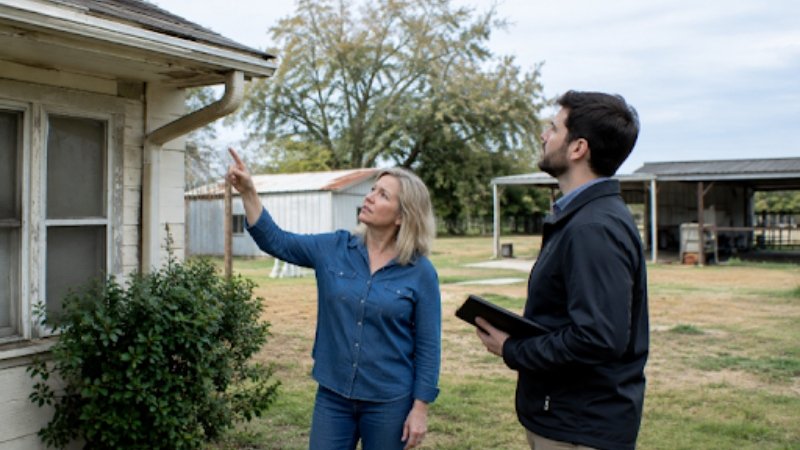
Selling a house that needs work can feel overwhelming, especially when repairs, inherited belongings, tenants, or a tight timeline are involved. Fairfax homeowners considering a quick path may encounter companies that say we buy houses for cash in Fairfax, VA. Still, every seller should first understand what an as-is sale actually involves.
An as-is sale can be practical for a dated home, a rental property with deferred maintenance, or a house affected by water damage, estate settlement issues, or expensive repairs. The goal is not necessarily to get the highest possible retail price. It is about choosing the sales method that best balances price, time, effort, and risk.
What “As-Is” Means When Selling a Fairfax Home
When a property is sold as-is, the buyer agrees to purchase it in its current condition. The seller generally does not promise to complete repairs before settlement. However, buyers can still inspect the home, ask questions, request credits, or decide not to proceed if their contract allows it.
As-is does not make a house invisible to buyers. A dated kitchen may be an expected cosmetic project, while an active roof leak, structural movement, mold concern, or electrical hazard can materially affect a buyer’s willingness to proceed. Clear pricing and honest communication are usually more effective than trying to minimize obvious problems.
Homeowners who are researching direct-sale options can use https://kingstreetpropertygroup.com/ as one point of comparison, then weigh any proposed terms against an agent-assisted listing or a sale by owner.
What Fairfax Sellers Should Check Before Setting a Price
Fairfax is not one uniform market. A property’s value can vary substantially by neighborhood, school boundary, access to transit, property type, lot size, road noise, and condition. Online estimates and tax assessments can serve as a starting point, but they may not account for interior damage, recent upgrades, unpermitted work, or significant deferred maintenance.
Start With the Facts That Affect Value
- Recent sales of similar detached homes, townhouses, condos, or multi-family properties nearby.
- The home’s square footage, layout, age, lot, parking, and major systems.
- Needed repairs, including roof, HVAC, plumbing, foundation, drainage, and electrical issues.
- The current mortgage payoff, liens, unpaid taxes, association balances, and utility bills.
- Whether the home is vacant, tenant-occupied, inherited, or subject to probate concerns.
Ask for pricing opinions that explain the comparison rather than simply presenting a number. A realistic as-is price should reflect the buyer’s expected repair cost, uncertainty, financing limitations, and the work required after closing.
How to Decide Between Repairs and an As-Is Sale
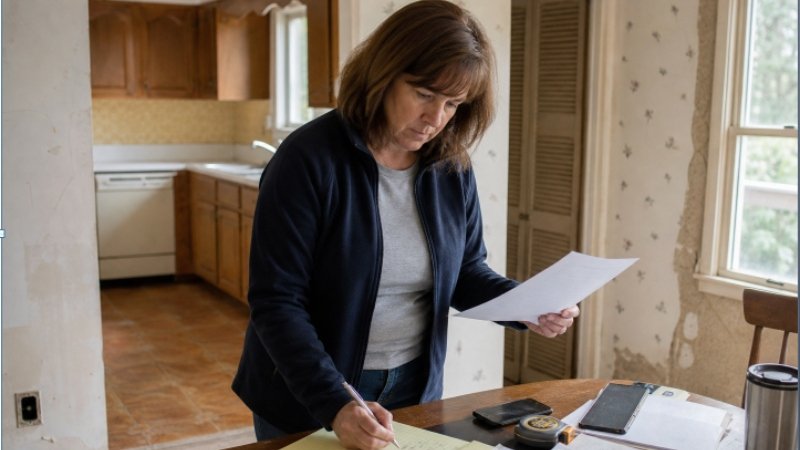
The important question is not whether an update would look better. It is whether the expected increase in the sale price is likely to exceed the repair costs, additional holding costs, and the time required. Large renovations can create stress without producing an equal return.
Work That May Be Worth Doing
- Stopping active leaks or addressing immediate safety hazards.
- Repairing broken locks, doors, windows, lighting, or obvious trip hazards.
- Removing clutter, trash, and unwanted belongings.
- Cleaning the property and making utilities available for inspections.
- Handling simple plumbing or electrical issues when the cost is clear.
Work That May Not Pay Off
- A full kitchen or bathroom renovation without strong local support for the expense.
- Luxury finishes that exceed the standard of nearby homes.
- Cosmetic projects that delay the sale for months.
- Major landscaping should be done before more serious property issues are addressed.
Virginia Disclosure Duties Sellers Should Know
Virginia follows a buyer-beware approach in many residential transactions, but that does not mean a seller should conceal problems, make inaccurate statements, or skip required forms. The Virginia property disclosure statute explains the residential disclosure framework and encourages buyer due diligence. The version effective through December 31, 2026, differs from the version scheduled to take effect on January 1, 2027, so sellers should confirm the rules applicable to their closing date.
Discuss known roof, water, foundation, plumbing, electrical, HVAC, mold, permit, boundary, easement, flood, and tenant issues with a qualified real estate professional or attorney. Homes built before 1978 can also trigger federal lead-based paint disclosure requirements. If there is a title dispute, probate question, foreclosure filing, or unresolved lien, address it early rather than waiting until settlement.
Three Common Ways to Sell a Home As-Is
List With an Agent
An agent can market the property broadly, arrange photos and showings, and help compare competing offers. This route may reach more buyers, but it can involve preparation, showings, commissions, inspection negotiations, and a longer timeline.
Sell by Owner
A sale by owner may reduce listing commission costs, but the seller handles pricing, marketing, access, negotiations, contract coordination, and buyer screening. A title company or real estate attorney can help reduce paperwork and closing errors.
Consider a Direct Sale.
A direct buyer may be more comfortable with a home that needs work and may offer a faster closing. In exchange, the price can be lower than a renovated retail sale. Request more than one written offer when possible and compare the full terms.
How to Review a Cash Offer
The highest number on the first page is not always the best offer. Compare the amount you expect to receive at closing with the likelihood that the buyer can complete the purchase.
- Confirm the buyer’s legal name and business information.
- Request proof of funds and verify it before relying on the offer.
- Check inspection, appraisal, financing, resale, and assignment contingencies.
- Review earnest money, cancellation rights, fees, and who pays settlement costs.
- Confirm the closing date, possession date, and any property cleanout expectations.
- Have the purchase agreement reviewed before signing.
Costs That Can Reduce the Final Amount
Your sale proceeds are not simply the contract price. Common deductions include mortgage payoff and interest, property taxes, association dues, settlement charges, repair credits, commissions when applicable, cleanout costs, moving expenses, insurance, utilities, and lien payoff amounts. Ask for a preliminary net sheet so the expected proceeds are clear before accepting an offer.
A Simple As-Is Selling Timeline and Checklist
- Gather records: Collect loan details, tax bills, permits, repair invoices, leases, and insurance information.
- Assess condition: List visible defects, safety concerns, and items you do not plan to repair.
- Compare sale paths: Evaluate likely net proceeds, time to close, and effort required.
- Review written offers: Focus on contingencies, proof of funds, fees, and closing certainty.
- Prepare for settlement: Resolve title questions, remove personal property, and confirm document requirements.
Selling a home as-is in Fairfax can be a sensible decision when repairs are too costly, time is limited, or the property no longer fits your circumstances. Price it from local evidence, complete required disclosures, compare each offer carefully, and make decisions based on net proceeds and dependable terms rather than urgency alone.