Key Takeaways
- Small businesses can participate in public projects as subcontractors, suppliers, consultants, and field-support providers.
- Early research, reliable paperwork, and targeted partnerships often matter more than chasing every open bid.
- Certifications, safety records, insurance, and cash-flow planning can make a firm easier for agencies and prime contractors to trust.
- Local businesses can create value through specialized knowledge, fast mobilization, and dependable service.
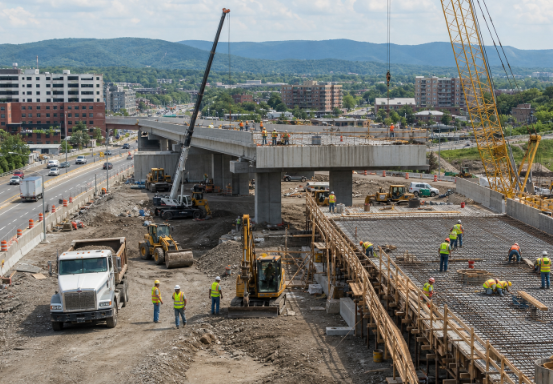
Public infrastructure work is often associated with large contractors, major equipment fleets, and multiyear construction schedules. In practice, those projects also depend on many smaller companies that provide materials, traffic support, surveying, environmental services, hauling, technology, and specialized trade work. Firms such as Tutor Perini may lead complex projects, but a broad network of capable partners helps keep work moving from planning through final inspection.
For a small business, the practical goal is not necessarily to win the largest contract in the region. It is to identify scopes that match the company’s skills, workforce, equipment, and financial capacity. A focused approach can turn public infrastructure from an intimidating market into a repeatable source of opportunities.
Why Small Businesses Matter In Public Infrastructure
Transportation, water, energy, transit, and civic projects require far more than general construction. Smaller firms often bring local knowledge, niche technical skills, responsive service, and established relationships with regional suppliers. They may also fill urgent or short-duration scopes that are inefficient for a large contractor to self-perform.
Small, minority-owned, women-owned, veteran-owned, and disadvantaged businesses can have additional paths into transportation-related work. The federal Disadvantaged Business Enterprise program is designed to reduce barriers and support fair participation by eligible firms in DOT-assisted contracting. Certification does not guarantee an award, but it can help a qualified company become visible to buyers and prime contractors looking for capable partners.
Where Contracting Opportunities Usually Appear
Infrastructure projects create work in layers. A small company may contribute during design, construction, maintenance, or closeout. Common entry points include surveying, materials testing, erosion control, fencing, drainage, concrete, paving, utility support, landscaping, traffic control, hauling, warehousing, cleanup, safety administration, document control, cybersecurity, communications, and equipment rental.
A prime contract is the main agreement between the public owner and the contractor responsible for delivering the project. A subcontract assigns a defined portion of that work to another business. Purchase orders usually cover materials, rentals, or limited services, while task orders may authorize smaller assignments under a larger master contract. Understanding which arrangement fits your firm prevents wasted effort in pursuit.
How To Find Projects Before They Reach The Bidding Stage
Preparation should start before a formal solicitation is released. Review capital improvement plans, agency procurement forecasts, public meeting agendas, requests for information, sources-sought notices, industry days, and design contracts that may lead to future construction. These signals give a business time to line up labor, insurance, financing, and partners.
Create a weekly routine for checking city, county, state, and federal procurement portals. For example, Philadelphia’s upcoming contracting opportunities show how public forecasts can reveal potential roads, transit, water, and resilience work well before every bid is posted. Track relevant projects in a spreadsheet with estimated bid dates, likely scopes, and potential prime contractors.
Qualifications That Help Firms Compete
Agencies and primes want evidence that a business can perform safely, legally, and on schedule. Keep business registration, tax information, licenses, insurance certificates, safety policies, training records, equipment lists, financial information, and project references up to date. When applicable, investigate small-business and socioeconomic certifications early, because approval may take time.
A concise capability statement is especially useful. It should explain what the company does, its service area, key personnel, trade classifications, relevant experience, equipment, certifications, and the project sizes it can support. Specific details are more persuasive than broad claims about being a full-service provider.
Building Strong Prime Contractor Partnerships
Partnership Steps
- Identify primes active in the target region and study their past project types.
- Attend outreach sessions, pre-bid meetings, and supplier-diversity events.
- Send a short capability statement that identifies a precise service or trade.
- Ask about upcoming scopes, expected schedules, and onboarding requirements.
- Confirm insurance, reporting, payment, and safety expectations before committing.
A traffic-control company, for example, may never seek the prime road-building contract. It can still become essential by providing compliant lane closures, signs, flaggers, and rapid response when work zones change. That type of dependable specialty support often leads to repeat assignments.
How To Review A Bid Before Spending Time And Money
Not every opportunity deserves a proposal. Use a green, yellow, or red rating based on core-service fit, location, schedule, workforce availability, equipment needs, insurance and bond requirements, payment terms, experience requirements, and legal exposure. A red rating does not mean the project is bad. It means the project may be wrong for the business right now.
Cash Flow, Insurance, And Project Risk
A profitable job can still strain a company if payroll, fuel, materials, and equipment costs come due before payment arrives. Estimate direct and administrative costs carefully, review retainage and invoicing rules, and keep reserves for weather delays, change orders, or slow approvals. Read the indemnity, warranty, and termination terms before signing. For a large or unfamiliar agreement, an accountant, surety professional, insurance broker, or construction attorney can provide a valuable review.
How Projects Can Support Local Communities
When qualified local firms receive meaningful work, spending can circulate closer to the project area. Businesses may hire locally, build trade experience, develop supplier relationships, and respond faster to maintenance needs. These benefits are strongest when outreach is fair, scopes are realistically sized, requirements are clear, and contractors receive timely payment.
A Simple 90-Day Action Plan
Days 1 to 30: Get Ready
- Update licenses, insurance records, references, and capability materials.
- List target agencies, procurement portals, and prime contractors.
Days 31 to 60: Build Relationships
- Register on relevant portals and attend at least one outreach event.
- Track future opportunities and contact likely project partners.
Days 61 to 90: Choose And Pursue
- Score opportunities by fit, size, location, capacity, and risk.
- Select one or two realistic pursuits and assign proposal responsibilities.
Final Thoughts
Public infrastructure can offer practical growth opportunities for small businesses that prepare early and pursue work selectively. Clean documentation, a clear specialty, reliable financial planning, and strong contractor relationships can matter as much as price. The most sustainable path is not to chase every project. It is to become the capable, low-risk partner that decision-makers remember when the right scope appears.