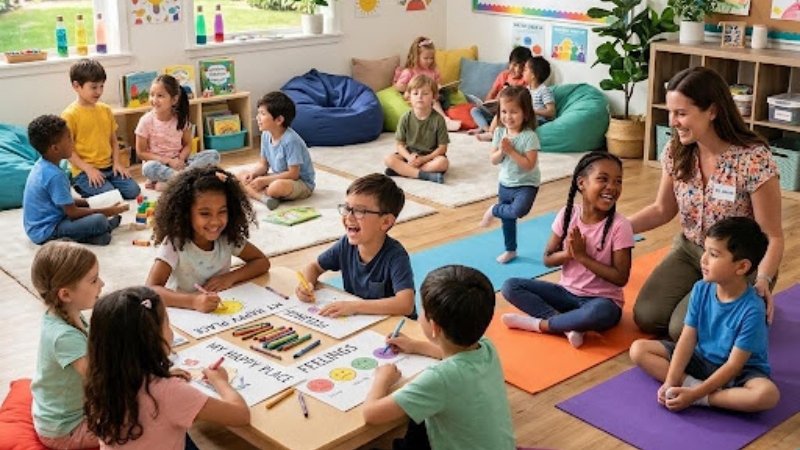
Supporting a child’s emotional well-being isn’t just about addressing problems when they arise—it’s about building resilience, self-awareness, and healthy coping skills from the start. The good news? The most powerful tools for nurturing young minds don’t require clinical settings or complex interventions. They look a lot like play, creativity, and connection. This post explores some of the most effective, evidence-backed activities that support children’s mental health and why starting early makes all the difference.
Why Emotional Well-Being in Childhood Matters More Than Most Parents Realize
The early years of a child’s life are more than just milestones. They are the foundation for how a child will manage stress, build relationships, and regulate emotions for the rest of their life. According to the Centers for Disease Control and Prevention (CDC), approximately 1 in 5 children in the United States experiences a mental, emotional, or behavioral disorder each year—yet fewer than 20% of those children receive the care they need.
That gap is significant. And while professional support plays a crucial role, everyday activities can meaningfully support emotional health between sessions, at home, and at school.
Mental health activities for children that are woven naturally into daily routines—like creative expression, mindful movement, and structured play—help kids process difficult emotions before those emotions become bigger problems. Families who prioritize emotional skill-building early are giving their children tools they’ll carry well into adulthood.
Expressive Arts: Giving Emotions a Safe Outlet
Children often don’t have the vocabulary to say “I’m anxious” or “I feel overwhelmed.” But give a child a paintbrush, a lump of clay, or a blank journal, and something remarkable happens. They begin to externalize what’s happening on the inside.
Art-based activities—drawing, painting, storytelling, and music—have long been used in therapeutic settings to help children process trauma, grief, and anxiety. A 2016 review published in Art Therapy: Journal of the American Art Therapy Association found that art therapy significantly reduced stress and anxiety in children across multiple clinical studies.
These activities work because they create a low-pressure space for emotional exploration. A child who draws an angry red monster may not know how to name what they’re feeling, but they’ve just taken a meaningful step toward understanding it.
Simple ways to incorporate expressive arts at home:
- Keep a feelings journal with prompts like “Draw how your day felt”
- Set up a craft station with no rules—just free creative time
- Encourage storytelling with puppets or stuffed animals to act out emotions
- Play music that matches different moods and let children move freely
Movement and Play: The Body-Mind Connection
Physical activity and mental health are more closely linked than many people expect. Research from Harvard Medical School confirms that aerobic exercise stimulates the release of endorphins, serotonin, and dopamine—neurotransmitters that directly influence mood and stress levels.
For children, movement doesn’t need to look like structured exercise. Outdoor play, dancing in the living room, yoga, and even simple stretching routines offer genuine mental health benefits.
Yoga, in particular, has shown strong results in pediatric mental health. A study published in the Journal of Developmental & Behavioral Pediatrics found that school-based yoga programs reduced anxiety and improved emotional regulation in children aged 6–12.
The key is consistency. Short daily movement breaks—even 10 to 15 minutes—can meaningfully shift a child’s emotional state and reduce behavioral challenges at home and in the classroom.
Mindfulness: Teaching Kids to Pause Before They React
Mindfulness gets talked about a lot, but what does it actually look like for a seven-year-old? Not sitting cross-legged in silence. At younger ages, mindfulness is better understood as the practice of noticing—noticing how the body feels, what thoughts are present, and what emotions are arising.
Breathing exercises are the most accessible entry point. The “4-7-8” technique (inhale for 4 counts, hold for 7, exhale for 8) has been shown to activate the parasympathetic nervous system, reducing the body’s stress response within minutes. Similarly, the “5 senses” grounding exercise—where a child identifies 5 things they can see, 4 they can hear, and so on—helps interrupt anxious thought spirals.
Apps like Headspace for Kids and Calm’s children’s content have made guided mindfulness sessions more accessible than ever. Many schools are now integrating short mindfulness practices into the school day, with positive results for attention, behavior, and emotional regulation.
Social Connection and Belonging: The Underrated Mental Health Booster
Children are wired for connection. Belonging to a group—a sports team, a drama club, a friendship circle—acts as a protective factor against depression and anxiety. Loneliness, on the other hand, is one of the strongest predictors of poor mental health outcomes in children and adolescents.
Structured social activities that give children shared goals and collaborative experiences are especially powerful. Team sports, group art projects, community volunteering, and even family game nights all build the sense of connection that supports emotional resilience.
For children who struggle socially, these environments can be challenging at first. That’s where professional guidance becomes particularly valuable. Therapists who specialize in children’s mental health can work alongside families to help kids develop social skills, manage peer anxiety, and find their footing in group settings.
When Everyday Activities Aren’t Enough
Activities at home make a meaningful difference—but they work best as part of a broader support system. Some children need more than creative play and breathing exercises. They need structured, professional care.
Signs that a child may benefit from professional mental health support include persistent sadness or irritability lasting more than two weeks, significant changes in sleep or appetite, withdrawal from friends and activities they once enjoyed, frequent unexplained physical complaints like stomachaches or headaches, and difficulty functioning at school or at home.
Reaching out to a behavioral health provider doesn’t mean something is “wrong” with a child. It means a family is taking their child’s inner life as seriously as their physical health—and that commitment makes an enormous difference.
Building a Brighter Emotional Future, One Day at a Time
The activities described here aren’t just feel-good suggestions. They’re evidence-based practices that support emotional development, reduce symptoms of anxiety and depression, and equip children with skills that last a lifetime.
The best approach combines consistent daily habits—movement, creative expression, mindfulness, and social connection—with professional support when needed. Together, they form a complete picture of care that meets children where they are and helps them grow into confident, emotionally healthy individuals.
Every child deserves that kind of foundation.
Frequently Asked Questions
What mental health activities are best for young children aged 3–6?
At this age, unstructured play, simple breathing exercises like “smell the flowers, blow out the candles,” and expressive art activities work best. Young children process emotions through play, so giving them free creative time is one of the most effective tools available.
How can parents tell if their child is struggling emotionally?
Key signs include persistent mood changes, withdrawal from friends or activities, sleep disruptions, frequent physical complaints without medical cause, and declining school performance. If several of these signs persist for more than two weeks, consulting a children’s mental health professional is strongly recommended.
Can mental health activities replace therapy for children?
Everyday activities support emotional well-being but are not a substitute for professional therapy when a child is experiencing a diagnosed mental health condition. Think of daily activities as maintenance and therapy as targeted treatment—both are valuable and often work best together.
How often should children practice mindfulness or emotional regulation activities?
Even 5–10 minutes per day can make a meaningful difference. Consistency matters more than duration. Building short mindfulness or breathing practices into daily routines—like before school or at bedtime—helps children internalize these tools over time.
Visit Fameperson.com for more details.