Key Takeaways
- Understand Florida’s waste management regulations and recycling goals.
- Implement proper waste segregation and disposal methods.
- Stay informed about local waste collection schedules and services.
- Utilize composting to reduce food waste.
- Prevent illegal dumping and report violations.
Managing household waste effectively is vital to protecting both the environment and public health in Florida. Reducing pollution, conserving resources, and keeping neighborhoods clean depend on residents’ daily actions. From recycling right to understanding local rules, a few changes in your daily routine can help you contribute to a more sustainable community. If you are planning a major cleanup or renovation project, accessing services such as Florida dumpster rental can make large-scale waste removal simpler and more responsible.
Florida’s warm climate and unique ecosystems also make efficient waste management crucial. Contaminated waste and litter can harm wildlife, pollute water sources, and degrade scenic areas. With smart strategies, however, every household can help Florida reach its ambitious recycling and waste reduction goals. Understanding what goes in the trash, what can be recycled, and how to dispose of hazardous items are foundational skills for every resident.
Florida’s Waste Management Regulations and Recycling Goals
Florida generates an estimated 36 million tons of municipal solid waste each year. The state’s Department of Environmental Protection has set a goal of achieving a 75% recycling rate, but in recent years, the average has been closer to 50%. To bridge this gap, local governments and residents must collaborate by observing recycling programs and following the latest disposal guidelines. Adherence helps divert significant waste from landfills and reduces harmful emissions associated with improper disposal. For more about Florida’s statewide initiatives, the Florida Department of Environmental Protection recycling page offers updated information and resources.
Proper Waste Segregation and Disposal Methods
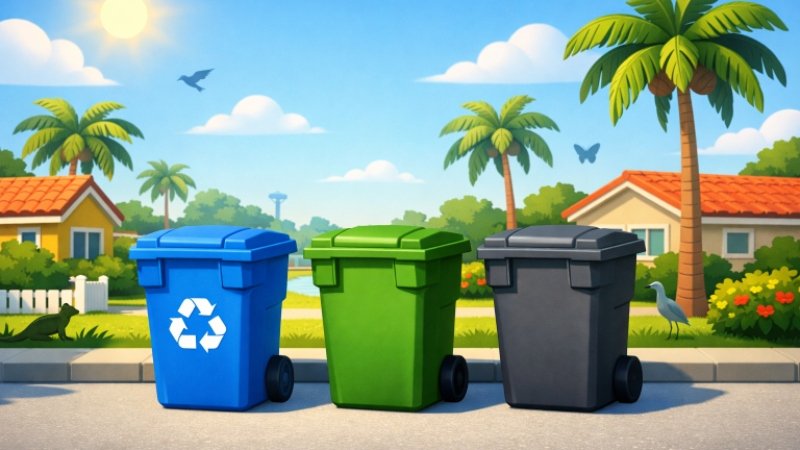
Effective household waste management starts with sorting and separating household waste daily. Understanding the main categories can prevent contamination and streamline municipal handling. Recyclables include clean paper, cardboard, glass bottles, and certain plastics; combining these with food waste or non-recyclable materials can ruin entire recycling batches. Yard waste consists of grass clippings, branches, and leaves, and should be placed in separate bins or composted according to city instructions. Hazardous waste, ranging from batteries and household cleaners to electronics and old paint, must never go in household bins. Instead, many counties provide drop-off dates or collection sites for safe disposal of these items, protecting waterways and local wildlife.
Staying Informed About Local Waste Collection Services
Collection schedules and accepted materials differ from one Florida municipality to another. For example, Cape Coral residents recently experienced changes to trash pickup days and recycling protocols. Missing changes to collection timetables can lead to overflowing bins and unintended violations of local ordinances. Most city or county websites offer downloadable schedules with FAQs about what they will and will not collect curbside. Signing up for notifications or checking updates on their platforms helps avoid surprises and ensures waste is out for pickup on the correct days. For general guidance on recycling and waste services, the EPA’s recycling resource page provides consumer-level tips that complement most local programs.
Utilizing Composting to Reduce Food Waste
Food waste makes up a substantial portion of household garbage in Florida. Composting is a practical and sustainable way to convert fruit peels, coffee grounds, eggshells, and yard cuttings into nutrient-rich soil. Several municipalities, including Deerfield Beach, have, in partnership with the University of Florida, introduced innovative micro-composting programs to help urban households manage food scraps. For those who want to try composting at home, basic backyard systems or compact indoor bins require minimal equipment and space. Composting not only diverts organic waste from landfills but also cuts greenhouse gas emissions and produces fertilizer for gardens, lawns, or community green spaces.
Preventing Illegal Dumping and Reporting Violations
Improper disposal of bulky items, yard debris, construction waste, or hazardous materials creates eyesores, contaminates soil, and poses a risk to public health. Florida has dealt with high-profile illegal dumping cases, including ongoing problems at places of worship and community facilities in Miami-Dade County. Residents can help by keeping an eye out for suspicious activity and reporting illegal dumping to local authorities, which often have hotlines or online forms for anonymous tips. Preventive steps such as improving property lighting, installing security cameras, and placing signage may also deter would-be offenders. Prompt reporting and community vigilance are key to maintaining clean public and private spaces for everyone.
Adopting efficient waste management habits at home benefits your community and supports the health of Florida’s ecosystems. By following local regulations, sorting waste responsibly, staying up to date on service updates, composting food scraps, and working to prevent illegal dumping, everyone can help build a cleaner, greener future for the Sunshine State.