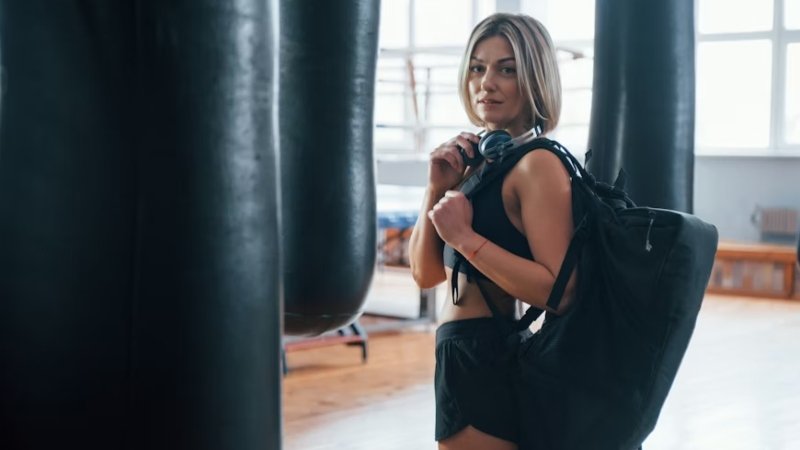
Most bags fail at one thing or the other. They are great for the gym but awkward at the office. Or they look sharp for commuting but fall apart after six months of daily use. The right everyday carry bag handles both without compromise. A purpose-built gym backpack bridges that gap. It carries your training gear, your laptop, your lunch, and your daily kit without looking like a laundry bag on your back. That kind of versatility is rare and worth knowing how to find.
What Separates a Gym Bag From a Daily Carry Bag?
The distinction used to be obvious. Gym bags were duffels with one big compartment. Daily carry bags were slim packs with laptop sleeves. That line has blurred. Modern hybrid designs combine dedicated wet/dry compartments for gym gear with structured laptop protection and organizational pockets for daily use. The critical difference is compartmentalization. A bag that mixes your sweaty gym kit with your work laptop is not a gym backpack. It is just a large bag. Purpose-built designs keep those worlds separated inside the same pack.
What Volume Do You Actually Need?
Most people overestimate how much volume they need. A 28 to 35 liter capacity covers the gym-plus-daily-carry use case comfortably for most people. That fits training shoes, a change of clothes, a 15-inch laptop, a water bottle, and daily essentials without packing the bag to bursting. Under 25 liters and you are making trade-offs on what fits. Over 40 liters and the bag becomes a burden on public transit or in office environments. The 2023 Global Bag Consumer Report showed 34 liters as the most common size purchased by gym-going commuters aged 25 to 40.
How Important Is the Laptop Sleeve Design?
Very important. A laptop sleeve that does not suspend the laptop off the base of the bag is a problem. If the bag gets dropped, base impact goes directly to the laptop. Suspended sleeves use padding that runs up the sides and a bottom panel that keeps the device floating inside the compartment. This is called a suspended laptop sleeve and it is a non-negotiable feature if the bag is carrying an expensive machine daily. Check the sleeve depth too. A sleeve rated for 15 inches but with no side clearance will scratch the laptop edges on every entry and exit.
What Should the Straps and Back Panel Do?
For daily use with 8 to 12kg of loaded weight, strap and back panel quality matters more than people expect. Straps should be at least 45mm wide with S-curve shaping to sit off the neck. Flat straight straps cut into the trapezius under load. Back panels should have raised ventilation channels. A fully flat back panel traps heat. After 30 minutes of commuting on foot, that becomes uncomfortable fast. Foam density in the back panel should feel firm, not spongy. Spongy foam compresses fully under a loaded bag and provides no support.
Does Water Resistance Really Matter for a Gym Bag?
Yes. Every time. You are carrying electronics, gym clothes, and often food. A bag that soaks through in a five-minute rain shower exposes all of that. Water-resistant zippers and DWR-coated fabric are the baseline standard for a bag in this category. Full waterproofing is rare and usually adds significant cost. DWR treatment on 600D or 900D polyester handles light to moderate rain well. It does not handle being submerged or sitting in a puddle. For Australian city commutes where surprise storms are common, water resistance is a must-have, not a bonus feature.
How Long Should a Quality Gym Backpack Last?
A well-built gym backpack used five days a week should last three to five years before showing meaningful wear. The failure points to watch for are zipper pulls, strap attachment points, and the base of the bag. These take the most stress. Brands that use bar-tack stitching at high-stress points significantly outperform those using standard stitching alone. Bar-tacking is visible as a dense rectangular stitch pattern at strap bases and handle attachment points. It is a reliable quality indicator. Bags without it at critical stress points will eventually fail there first.
What Is the Right Price to Pay?
Budget gym backpacks start around 0 AUD. They cut corners on stitching, zippers, and foam density. Mid-range purpose-built gym carry bags sit between 0 and 80 AUD. That range is where build quality and features align properly for daily use. Premium options above 00 AUD add better materials and extended warranties. For a bag that goes to the gym and the office five days a week, the mid-range delivers the best value. Buying cheap means replacing the bag every 12 to 18 months. Mid-range buys you three to five years. The cost-per-use math clearly favors quality.