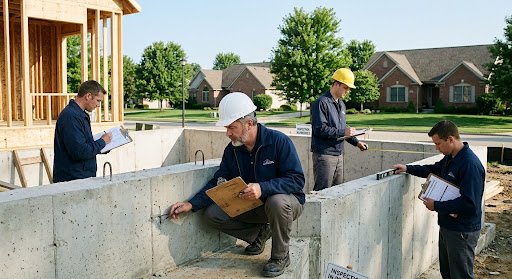
Every home owes its strength to what lies hidden underground. The walls, floors, and roof get all the attention, but none of it matters if the base supporting everything begins to shift. Homeowners often overlook this critical layer until cracks appear on walls or doors stop closing properly — by then, the damage has already taken root.
That’s precisely why so many property owners are turning their attention downward, literally. Understanding the condition of what holds your house up isn’t just a matter of curiosity; it’s a matter of long-term financial and structural security. Small issues, when caught early, cost far less to fix than the structural overhauls that follow years of neglect.
This post walks through why keeping tabs on your home’s base matters, what warning signs to watch for, and how professional evaluation services help protect your investment for decades to come.
Why Your Home’s Base Deserves More Attention
Most people picture home maintenance as painting walls, cleaning gutters, or replacing shingles. Few think about the concrete and soil beneath their feet, yet this is where some of the most expensive problems originate.
Shifting soil, poor drainage, tree roots, and seasonal freeze-thaw cycles all place stress on a structure’s base over time. Left unaddressed, this stress can lead to:
- Uneven floors that slope or feel bouncy underfoot
- Cracks forming along interior or exterior walls
- Windows and doors that stick or won’t latch properly
- Gaps appearing between walls and ceilings
- Visible separation around chimneys or porches
None of these symptoms show up overnight. They develop gradually, which is exactly why routine checks matter so much.
Foundation inspection offers homeowners an early warning system, helping catch minor shifts before they turn into costly structural emergencies. Catching these signs in their early stages gives you options — patch jobs and minor reinforcements — rather than forcing you into expensive, invasive repairs down the line.
What Happens During a Professional Evaluation
A thorough evaluation goes far beyond a quick glance at exterior walls. Trained professionals look at multiple factors that influence a structure’s long-term stability.
Checking for Visible Cracks and Settling
Technicians examine both interior and exterior surfaces for cracking patterns. Horizontal cracks, stair-step cracks in brickwork, and wide gaps often indicate more serious settling issues than small vertical hairline cracks.
Assessing Drainage and Grading
Water is one of the biggest threats to any structure’s base. Poor grading around a property can direct water toward the home instead of away from it, leading to erosion and pressure buildup against walls below ground level.
Measuring for Level and Uniformity
Specialized tools measure whether floors and walls remain level or have begun to shift. Even slight deviations can point to uneven settling that’s worth monitoring or addressing.
Reviewing Support Structures
Beams, piers, and support columns in crawl spaces or basements get checked for signs of rot, rust, or movement. These components play a quiet but critical role in distributing weight evenly across the structure.
Why Timing Matters More Than Most Homeowners Realize
Waiting until problems become visible from the street is one of the costliest mistakes a homeowner can make. By the time cracks are wide enough to see without looking closely, the underlying issue has often been developing for months or years.
Regular checks, ideally every few years or after major weather events, give homeowners a clear picture of how their property is holding up. This is especially important for:
- Older homes built before modern drainage standards were common
- Properties in areas with expansive clay soil
- Homes that have experienced recent flooding or drought
- Buyers considering a purchase who want peace of mind before closing
Catching movement early doesn’t just save money. It also protects resale value, since structural concerns are one of the fastest ways to scare off potential buyers during a home sale.
How Top Course Masonry Inc Helps Homeowners Stay Ahead of Problems
This is where experience makes all the difference. Top Course Masonry Inc has spent years helping homeowners identify and resolve structural concerns before they escalate into major repairs. Rather than offering generic assessments, the team takes time to evaluate each property’s unique conditions, soil type, drainage patterns, and construction history, so recommendations are tailored, not templated.
What sets Top Course Masonry Inc apart is a straightforward, no-pressure approach. Homeowners receive clear explanations of what’s found, why it matters, and what (if anything) needs to happen next. There’s no upselling unnecessary repairs or vague reports filled with jargon. Just honest, detailed insight from people who understand masonry and structural systems inside and out.
For homeowners who’ve noticed small cracks, sloping floors, or sticky doors, reaching out sooner rather than later can make a significant difference in both cost and peace of mind. Top Course Masonry Inc’s team brings the kind of hands-on expertise that turns uncertainty into a clear action plan.
Taking the Next Step Toward a Stronger Home
A stable structure starts with knowing exactly what’s happening beneath the surface. Ignoring small warning signs rarely makes them disappear; it just delays a bigger, costlier problem down the road.
If it’s been a while since your property was evaluated, or if you’ve started noticing cracks, gaps, or uneven floors, now is a good time to schedule a professional look. Top Course Masonry Inc is ready to help homeowners get clear answers and practical solutions, backed by years of hands-on masonry experience.
Protecting your home starts with understanding what’s holding it up. Reach out to Top Course Masonry Inc today to schedule an evaluation and take the first step toward lasting peace of mind.