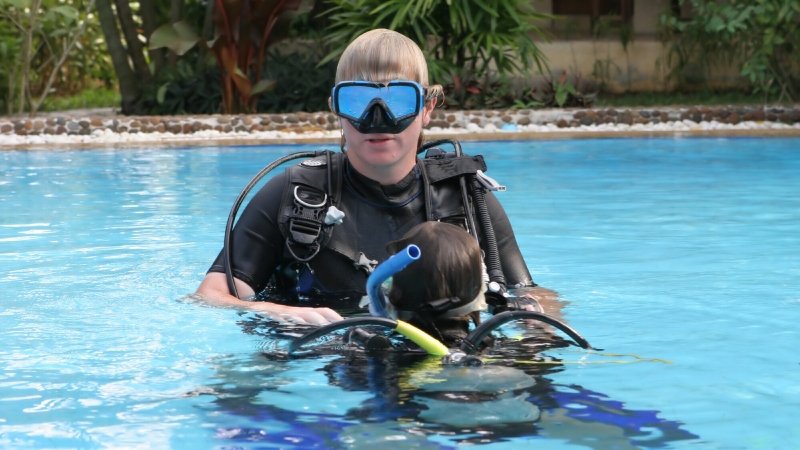
Have you ever wondered why some children stay calm around water while others become scared as soon as they enter a pool? The answer often starts with learning the right skills at the right age in a safe and caring place. Essential water skills help children learn how to move, react, and stay safer in different water settings while building confidence through regular practice.
Early lessons also support healthy growth, better thinking skills, and good habits that can last for years. By reading this guide, you will learn how age-appropriate aquatic training helps children stay safer, feel more confident, and enjoy water with greater confidence.
Why Early Water Experiences Shape Lifelong Safety
Children learn best when new activities match their age and skill level. Calm water lessons help them feel comfortable instead of afraid. This early comfort gives them a strong start in learning safe water habits.
Good experiences also help children trust their teachers, parents, and themselves. They learn that water should be respected but not feared. This healthy view helps them make better choices near pools, lakes, beaches, and other water areas.
Learning through play makes water safety easier to remember. Fun games encourage children to practice important skills many times. Repeating these skills helps them become safe habits as children grow.
How Essential Water Skills Build Strong Foundations
Essential water skills teach children how to float, kick, breathe, and move with control. These basic skills prepare them for more advanced swimming later. Each new lesson builds on the one before it, helping children gain confidence.
Regular practice also improves balance and body control. Children learn how their movements affect the way they move through the water. This helps them stay calm because they know what to do.
As children become more confident, they are ready to try new skills. They learn patience by improving one step at a time. This steady progress supports both safety and personal growth.
Building Confidence Through Consistent Practice
Confidence takes time to grow. It comes from regular practice, support, and small successes. Each achievement encourages children to keep learning.
Children who feel supported are more likely to stay calm when learning something new. They learn that mistakes are part of getting better. This positive attitude helps them improve their swimming skills.
Confidence in the water can also help children in daily life. They may feel ready to try new activities at school or in sports. Learning to face challenges helps them grow stronger and more confident.
Learning Safe Responses During Unexpected Situations
Water conditions can change quickly, so calm reactions are important. Children who practice safety skills learn how to respond instead of panicking. This preparation helps them handle stressful moments better.
Lessons often include simple recovery skills that build awareness and self-control. Children practice floating, turning, and moving toward safety. Repeating these actions helps them remember what to do when it matters.
Children also learn when to ask for help. They see that staying calm and listening to instructions can improve safety. These habits are useful both in and out of the water.
Developing Healthy Physical Growth Through Swimming
Swimming uses many muscles at the same time. Children build strength, balance, flexibility, and coordination while having fun in the water. These benefits support healthy growth without putting too much stress on growing joints.
Regular swimming also helps the heart and lungs become stronger. Better endurance helps children stay active for longer periods. These benefits often help with other sports and activities too.
Swimming can also improve posture and body control. Children become more aware of how they move each day. Better coordination continues to help them as they grow.
Encouraging Better Listening And Focus
Water lessons teach children to listen before they act. They learn that following directions is an important part of staying safe. These listening skills often help them at school as well.
Children improve their focus by learning one skill at a time. They see that careful attention leads to better results. This teaches patience instead of rushing.
Lessons also help children solve simple problems. They learn to adjust their movements after listening to feedback. These thinking skills support both learning and water safety.
Supporting Emotional Growth Around Water
Some children feel nervous during their first water lessons. Patient teaching helps them replace fear with confidence. Slow and steady progress helps them feel more comfortable in the water.
Every success gives children another reason to believe in themselves. They learn that confidence comes from practice, not perfection. This lesson can help them in many areas of life.
Supportive lessons also encourage children to share their feelings. Parents and instructors can offer praise and reassurance as children improve. Working together creates a positive learning experience.
Helping Families Create Safe Water Habits
Water safety works best when the whole family takes part. Parents can practice safe habits during trips to pools, lakes, or beaches. Regular reminders help children remember important safety rules.
Children also learn by watching adults. Seeing parents wear life jackets or follow pool rules shows that safety matters. These actions support the lessons children learn during swim classes.
Talking about water safety at home also helps. Children feel more comfortable asking questions and sharing concerns. Open conversations help them make safer choices.
Choosing Programs That Match A Child’s Needs
Every child learns at a different speed. Age-appropriate lessons help children improve without feeling rushed. This makes learning more enjoyable and effective.
Parents should choose instructors who focus on safety, patience, and encouragement. Small classes often allow more personal attention. A caring learning environment helps children stay interested.
Families looking for beginner programs may also consider infant survival swim lessons that teach early water safety through structured, age-appropriate instruction. A quality program helps children build confidence while learning important safety skills from trained instructors.
Practicing Skills Beyond Formal Lessons
Learning should continue after swim classes end. Families can practice simple water safety skills during supervised visits to pools or beaches. Regular practice helps children remember what they have learned.
Short practice sessions often work better than long ones. Children stay interested while repeating familiar skills. This steady practice helps build strong muscle memory.
Parents should always watch children closely during water activities. Practice is important, but active adult supervision is even more important. Together, they provide better protection for young children.
Understanding Basic Water Rules From An Early Age
Children should learn simple water rules before they begin swimming. They need to know that water is fun but also requires care. These early lessons help build safe habits that can last for life.
Simple rules are easier for young children to remember. They learn to stay close to trusted adults and avoid entering the water alone. Following these rules lowers the chance of accidents.
Parents and instructors should repeat these safety messages often. Regular reminders help children remember what they have learned. Strong habits grow through daily practice and positive guidance.
Building Better Body Awareness In The Water
Water activities help children understand how their bodies move. They learn how to float, balance, and change direction with greater control. These skills help them feel more comfortable during every lesson.
Better body awareness also improves coordination. Children begin to notice how small movements affect their position in the water. This makes swimming easier and helps them stay calm.
As these skills improve, children become more confident with each lesson. They can move with better control and less effort. This steady progress supports both learning and safety.
Learning Patience Through Step By Step Progress
Every child learns at a different pace. Some skills take more time, and that is completely normal. Patient learning helps children enjoy the process instead of feeling pressure.
Small goals make each lesson easier to complete. Children celebrate each success before moving to the next challenge. These positive moments encourage them to keep trying.
Parents and instructors play an important role during this journey. Kind words and steady support help children stay motivated. A patient approach often leads to better long-term results.
Preparing Children For Different Water Environments
Not all water areas are the same. Pools, lakes, rivers, and beaches each have different conditions. Children should learn that every place needs its own safety rules.
Lessons can introduce children to different water situations in safe ways. They learn that moving water, deep water, and slippery surfaces require extra care. This knowledge helps them make smarter choices.
Understanding different environments also builds confidence. Children know what to expect before entering the water. Being prepared helps them stay calm and alert.
Making Water Safety Part Of Everyday Life
Water safety should not be discussed only during swim lessons. Families can talk about safe choices whenever they visit pools, parks, or beaches. These simple talks help children remember what they have learned.
Children learn best when safety becomes part of their daily routine. They begin to think before acting near any type of water. This habit helps them make better decisions over time.
Daily reminders keep important lessons fresh in a child’s mind. Parents can praise safe behavior whenever they see it. Positive feedback encourages children to keep making good choices.
Teaching Children To Stay Calm Under Pressure
Staying calm is an important part of water safety. Children who remain calm can think more clearly during unexpected situations. This helps them make safer decisions instead of reacting with fear.
Practice gives children confidence when facing new challenges. They learn that slow, steady actions are often the safest choice. This mindset becomes stronger with every lesson.
Parents and instructors can model calm behavior during practice. Children often copy the actions of trusted adults. Seeing calm responses teaches them how to handle stress in a healthy way.
Building Trust Between Children And Instructors
A trusting relationship helps children enjoy learning. They feel more comfortable asking questions and trying new skills. This creates a positive learning environment from the start.
Good instructors explain each activity in simple steps. They encourage children without forcing them to move too quickly. This patient approach helps children build confidence.
Trust also makes it easier for children to accept guidance. They know their instructor wants them to stay safe and improve. This understanding supports better learning during every lesson.
Helping Children Enjoy Safe Water Activities
Children are more likely to keep learning when lessons are enjoyable. Fun activities make practice feel exciting instead of stressful. Enjoyment also encourages children to return for future lessons.
Games and simple challenges can strengthen important swimming skills. Children stay active while improving balance, movement, and confidence. Learning becomes easier when they are having fun.
Enjoying water safely helps build a lifelong interest in swimming. Children begin to see water as a place for healthy recreation. This positive experience supports both safety and physical activity.
Creating Lifelong Respect For Water
Respect for water begins with simple lessons during childhood. Children learn that safe choices are important every time they are near water. This mindset stays with them as they grow older.
Children who respect water are more likely to follow safety rules. They understand that even strong swimmers should stay careful. Good habits help protect both themselves and others.
These lessons continue to provide value throughout life. Children carry their knowledge into family outings, sports, and future adventures. Early learning creates a lasting foundation for safe and enjoyable water experiences.
Growing Into Responsible Water Users
As children gain experience, they learn that swimming is fun but also requires care. They understand that following safety rules protects everyone. This sense of responsibility becomes part of their daily thinking.
Children who respect water often make safer choices. They learn to notice changing conditions and know when to be careful. Good judgment grows through practice and guidance.
These habits continue as children become teenagers and adults. The skills they learn early remain useful throughout life. Early lessons create lasting benefits that go far beyond swimming.
Every Lesson Builds A Safer Future
Every child deserves the chance to build confidence and learn safe water habits. Essential water skills do more than teach swimming because they also support good decisions, emotional growth, and healthy development from an early age. Regular lessons, family support, and steady practice help children build habits that can last a lifetime.
The skills children learn today can help keep them safer during future water activities while teaching them to respect every water environment they visit.
Did this guide help you? Browse the rest of this section for more advice on a variety of topics.