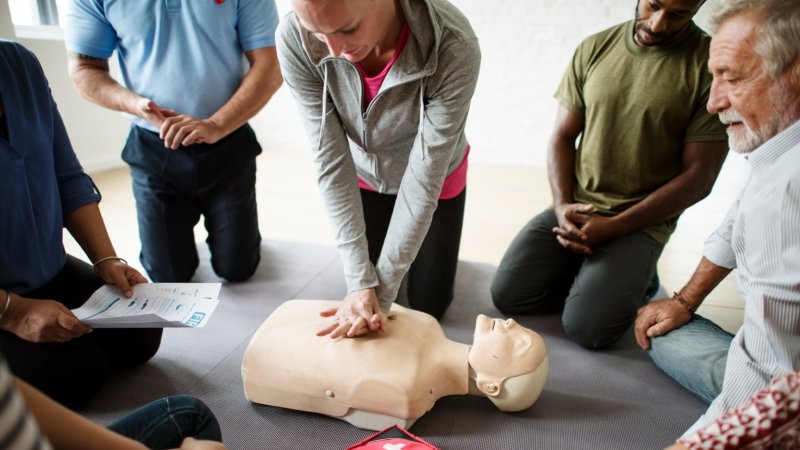
Whether you’re a concerned parent, a proactive individual, or a professional in healthcare, knowing how to respond in an emergency can significantly impact a life. Did you know that around 350,000 cardiac arrests occur outside of hospitals each year in the United States? This statistic underscores the importance of having proper training, specifically CPR Training.
By learning the differences between CPR certification levels, individuals can gain the confidence and competence needed to respond effectively in critical situations. Understanding its various levels allows you to choose a course that best fits your needs.
Continue reading to discover everything you need to know!
What is CPR Training?
CPR, or Cardiopulmonary Resuscitation, is a lifesaving technique used to maintain blood circulation and oxygen flow to the brain and other vital organs until professional medical assistance arrives. Individuals interested in developing these skills can explore training resources, like MyCPR NOW, as part of their preparation for emergency situations.
Learning CPR prepares people to respond quickly during cardiac arrest, drowning, choking, or other life-threatening emergencies where breathing or circulation has stopped. CPR training combines hands-on practice with important safety knowledge, helping participants build confidence and improve their ability to act effectively while waiting for emergency responders to arrive.
The Levels of CPR Training
CPR classes come in different levels for many needs, from doctors to anyone who wants to help in an emergency at home or in their area. Choosing the right course depends on your responsibilities, prior experience, and certification requirements.
Each class teaches you how to save lives and gives you practice to feel more confident in tough situations. Some classes cover only CPR, while others add first aid for broader emergency readiness.
Common options are:
- Basic Life Support
- Healthcare Provider CPR
- Family and Friends CPR
- CPR with First Aid
Knowing the differences between CPR courses helps you choose the right one for your needs. Whether you pick a basic class or a more advanced one, CPR training prepares you to act fast in an emergency. You can help someone in need until professional help gets there.
Your skills could even save a life when every second counts. That is why proper training is so important.
Choosing the Right Training Program
Picking the right CPR class depends on your goals, job, and how you like to learn. Healthcare workers may need more advanced training, but basic CPR and first aid are enough for most people.
Think about class length, how often you need to renew, and whether your employer or local groups accept the certification. Picking an accredited provider gives you good training and hands-on practice to build confidence.
Before signing up, consider these things:
- Consider your occupation
- Compare course duration
- Verify certification requirements
- Choose accredited providers
The American Heart Association and the Red Cross are known for quality CPR training that meets safety standards.
Be a Lifesaver!
Understanding the different levels of CPR training is essential for choosing the right course based on an individual’s role, experience, and responsibilities. Whether intended for the general public, workplace responders, or healthcare professionals, each level of CPR training provides valuable knowledge and practical skills that can make a critical difference during medical emergencies.
Taking a CPR class can give you skills that might save a life. Knowing how to do CPR the right way helps you act fast and stay calm in an emergency.
Looking for more tips and ideas? We’ve got you covered. Check out some of our other posts now.