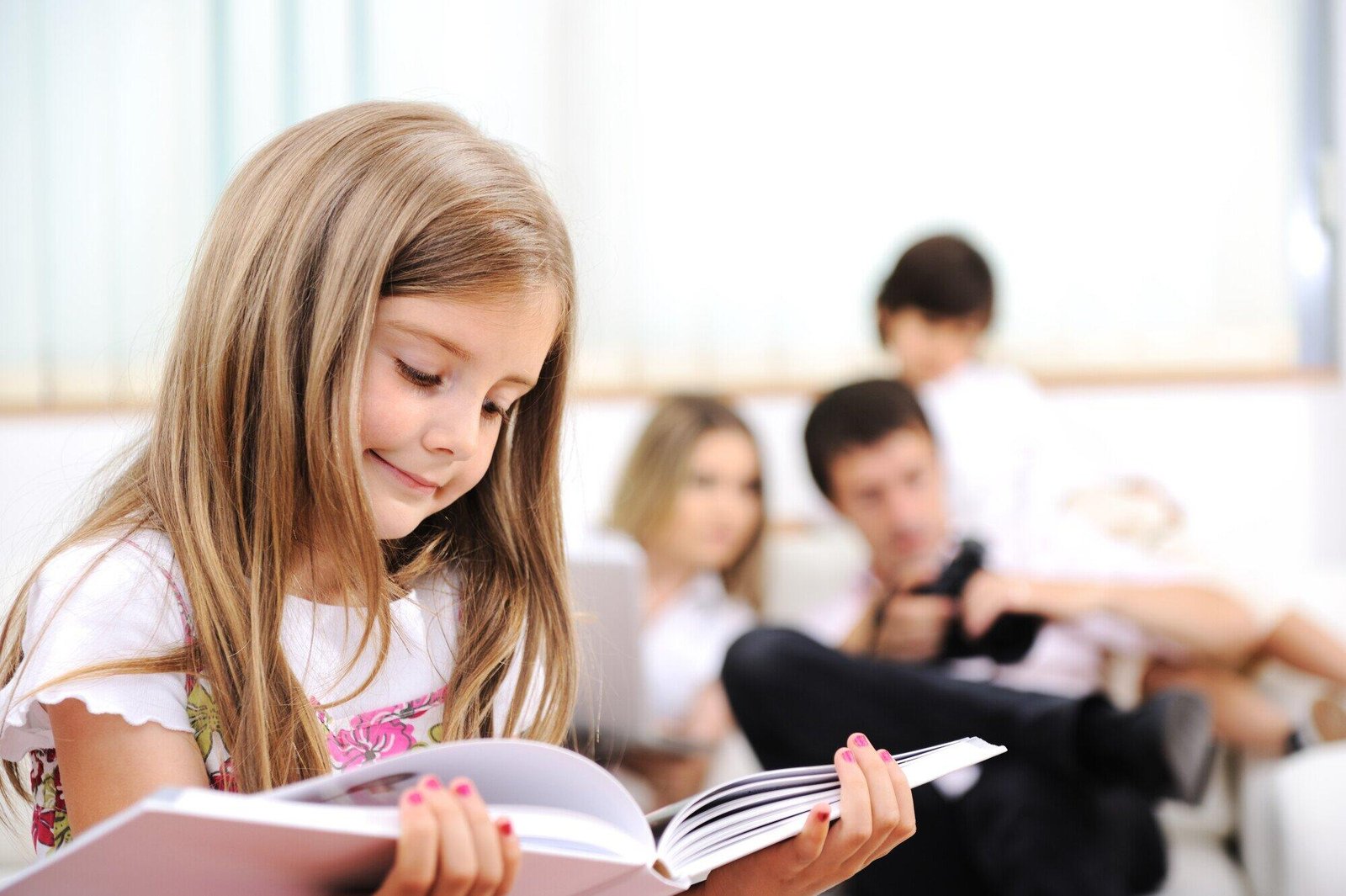
Learning is not only about getting good grades. It is also about building skills for life. Many students focus only on school work and forget other important parts of growth. Balanced learning helps students grow in many ways. It supports academic success, emotional health, social skills, and personal confidence.
A balanced learning approach includes studies, hobbies, sports, creativity, and rest. This method helps students become better learners and stronger people. It also prepares them for future challenges in life and work.
Better Academic Performance
Students often perform better when they follow a balanced learning routine. Long hours of study without breaks can make the mind tired. A fresh mind learns faster and remembers information better.
Activities outside the classroom also improve learning skills. Sports can improve focus. Music and art can increase creativity. Group activities can build communication skills. All these things support academic growth in different ways.
Students who take regular breaks often return to studies with more energy. Short periods of relaxation can improve concentration. This makes studying more effective and less stressful.
Balanced learning also improves memory. When students are healthy and relaxed, they can understand lessons more clearly. Better understanding often leads to higher grades and stronger classroom performance.
Improved Time Management Skills
Balanced learning teaches students how to use their time wisely. They learn how to divide time between studies, hobbies, exercise, and rest. This habit becomes very useful later in life.
Good time management reduces pressure. Students feel more organized and prepared. They can finish tasks on time and still enjoy personal activities. This creates a healthy daily routine.
Students also learn the importance of setting priorities. They understand which tasks need immediate attention and which can wait. This skill helps them avoid panic and confusion during busy periods.
Planning daily schedules can also improve discipline. Students become more aware of how they spend their time. Over time, they build habits that support both success and personal balance.
Stronger Mental Health
Students face pressure from exams, assignments, and expectations. Too much stress can affect mental health. Balanced learning gives students time to relax and refresh their minds.
Fun activities and social interaction can improve mood. Exercise can lower stress and increase energy. Students who follow a balanced routine often feel happier and calmer. They can handle challenges in a better way.
Mental health is important for learning and personal growth. Students who feel emotionally healthy often have more confidence and motivation. They can focus better and communicate more clearly with others.
Relaxation activities such as reading, listening to music, or spending time with friends can also support emotional balance. These activities help students feel more comfortable and positive during difficult times.
Physical Health Benefits
Learning is connected to physical health. Students need movement and exercise to stay active. Sitting for long hours can cause tiredness and low energy.
Balanced learning includes sports and physical activities. These activities improve fitness and strengthen the body. Healthy students often have better focus and concentration in class. Good health also supports better sleep and stronger memory.
Physical activity can also improve mood and reduce stress. Students who exercise regularly often feel more energetic throughout the day. This energy can improve participation in school activities and classroom discussions.
Healthy habits developed during school years can continue into adulthood. Students who value exercise and proper rest are more likely to maintain good health later in life.
Development of Social Skills
Students need social skills to succeed in school and life. Balanced learning gives them chances to work with others and build friendships. Group activities teach teamwork and respect.
Communication becomes stronger through discussions and projects. Students learn how to solve problems together. These experiences help them become confident in social situations.
Social skills also help students create positive relationships. Good communication can reduce misunderstandings and improve teamwork. Students become more comfortable sharing ideas and g to others.
These experiences prepare students for future workplaces and communities. Strong social skills can improve leadership abilities and help students work successfully with different types of people.
Growth of Creativity
Creativity is important in many areas of life. Balanced learning encourages students to explore music, art, writing, and other creative activities. These activities help students think in new ways.
Creative learning also makes education more enjoyable. Students become curious and excited about discovering new ideas. Creativity supports problem-solving and innovation in the future.
Creative activities can also reduce stress and improve emotional health. Students often feel relaxed while drawing, writing, or playing music. These moments allow them to express thoughts and emotions freely.
Creativity is useful in many careers and daily situations. People who think creatively can find new solutions and adapt more easily to changes in life.
Increased Self-Confidence
Students feel more confident when they succeed in different activities. Good grades alone may not build complete confidence. Achievements in sports, arts, and leadership also matter.
Balanced learning allows students to discover their strengths. They become proud of their abilities. Confidence helps students face new experiences without fear.
Confidence also improves communication and decision-making. Students who believe in themselves are more willing to participate in discussions and activities. They are less afraid of making mistakes.
Trying different experiences helps students understand their talents. This understanding can guide them toward future goals and personal success.
Better Problem-Solving Skills
Balanced learning exposes students to different situations and experiences. This helps them think carefully and solve problems in smart ways. Students learn how to make decisions and adapt to changes.
Activities outside academics often require quick thinking and teamwork. These experiences improve critical thinking skills. Strong problem-solving abilities are useful in both education and daily life.
Students also learn to stay calm during difficult situations. Instead of giving up, they learn how to search for answers and try different methods. This mindset is valuable in school and personal life.
Building Discipline and Responsibility
Students who follow a balanced schedule learn discipline. They understand the importance of completing tasks and managing responsibilities. This habit helps them become more independent.
Balanced learning also teaches accountability. Students learn that success requires effort in many areas. Discipline developed during school years often continues into adulthood.
Responsibility grows when students manage their own schedules and goals. They begin to understand the results of their choices and actions. This awareness can improve maturity and decision-making.
Encouraging Lifelong Learning
Balanced learning creates a positive attitude toward education. Students do not see learning as a burden. Instead, they enjoy discovering new things and improving their skills.
This mindset encourages lifelong learning. People continue learning even after school because they enjoy personal growth. Lifelong learners are often more successful and adaptable.
Students who enjoy learning are more curious about the world. They ask questions, explore ideas, and search for knowledge outside the classroom. This curiosity supports growth throughout life.
Preparation for Future Careers
Modern careers require more than academic knowledge. Employers also value communication, teamwork, leadership, and creativity. Balanced learning helps students develop these important skills.
Students who join different activities gain real-life experience. They become more prepared for workplace challenges. Even experiences from a boarding school environment can teach independence and responsibility that help in future careers.
Balanced learning also teaches flexibility. Students learn how to manage different tasks and work with many types of people. These skills are important in professional environments.
Better Relationships with Others
Balanced learning improves relationships with family, teachers, and friends. Students who manage stress well often communicate in a calmer way. They also understand the feelings of others better.
Activities that involve teamwork and cooperation build stronger connections. Positive relationships create a supportive learning environment. This support can improve both academic and personal growth.
Good relationships also improve emotional health. Students feel more comfortable when they have supportive people around them. Encouragement from others can increase motivation and confidence.
Reducing Burnout and Fatigue
Many students feel exhausted because they focus only on academic pressure. Constant stress can reduce motivation and energy. Balanced learning helps prevent burnout by including rest and enjoyable activities.
Breaks are important for mental recovery. Students return to studies with better focus after relaxing. A healthy balance keeps learning enjoyable instead of stressful.
Rest also improves physical and emotional health. Students sleep well and take breaks often perform better in school. They are more active and positive during daily activities.
Creating a Well-Rounded Personality
Balanced learning helps students grow into complete individuals. They gain knowledge, skills, confidence, and emotional strength. They also learn how to care for their health and relationships.
A well-rounded personality is valuable in every stage of life. Students become more prepared to face challenges and build successful futures. Balanced growth supports happiness and personal satisfaction.
Students who experience balanced learning often become more open-minded. They can understand different ideas and adapt to new situations more easily. This flexibility supports both personal and professional success.
All About Academic and Personal Growth
Balanced learning plays an important role in academic and personal growth. It helps students perform better in school while also improving health, confidence, and social skills. A healthy balance between studies and other activities creates a stronger and happier learner.
Students who follow this approach gain many lifelong benefits. They become disciplined, creative, and prepared for future challenges. Balanced learning is not only about education. It is about building a successful and meaningful life.
If you’d like to learn more, check out more articles on our blog.