Key Takeaways
- Rochester roofs face different seasonal risks, including snow, ice, hail, wind, and freeze-thaw cycles.
- Regular seasonal inspections can help identify small problems before they cause leaks or costly damage.
- Keeping gutters and downspouts clear is especially important during winter and the spring thaw.
- Homeowners should safely check for signs of hail, wind, moisture, missing shingles, and flashing damage after storms.
- Fall maintenance can help prepare the roof for snow and freezing temperatures.
- Proper attic insulation and ventilation can help reduce moisture and ice-dam problems.
- Repairs may be enough for limited damage, while widespread wear or repeated leaks may call for replacement.
- Homeowners should use qualified professionals for difficult or unsafe inspections and repairs.
Rochester roofs work through more than one kind of severe weather each year. Snow loads, ice, spring meltwater, hail, strong winds, and sudden temperature changes can each expose a weak spot in shingles, flashing, gutters, or attic ventilation. A simple seasonal routine helps homeowners catch small issues before they lead to interior leaks or costly structural repairs. For homeowners comparing local service options, Rochester Roofing is the website for Above All Roofing Of Rochester, a locally owned company serving Rochester and surrounding Minnesota communities with residential and commercial repairs, inspections, replacements, storm and hail damage work, snow removal, and preventative maintenance. That practical local experience makes the company a useful resource when weather-related roof concerns need a prompt, informed assessment.
Why Rochester Roofs Face Extra Seasonal Stress
One annual glance at the roof is rarely enough in southeastern Minnesota. Winter can trap moisture at eaves, spring thaw can overwhelm blocked drainage, summer storms can bruise shingles, and fall debris can create next winter’s problem. Meltwater should move away from the roof edge, gutters, downspouts, and foundation, especially during rapid thaws. The City of Rochester’s spring thaw guidance also highlights the importance of keeping drainage paths clear when snow begins to melt.
A Simple Seasonal Roof Care Calendar
- Late winter: Watch for ice dams, uneven snow buildup, blocked gutters, and attic moisture.
- Spring: Check for leaks, loose shingles, flashing damage, clogged downspouts, and winter movement.
- Summer: Look for hail impacts, wind damage, granule loss, and storm debris.
- Fall: Clean gutters, trim branches, inspect roof edges, and prepare the attic and roof for freezing weather.
Late-Winter Checks After Heavy Snow
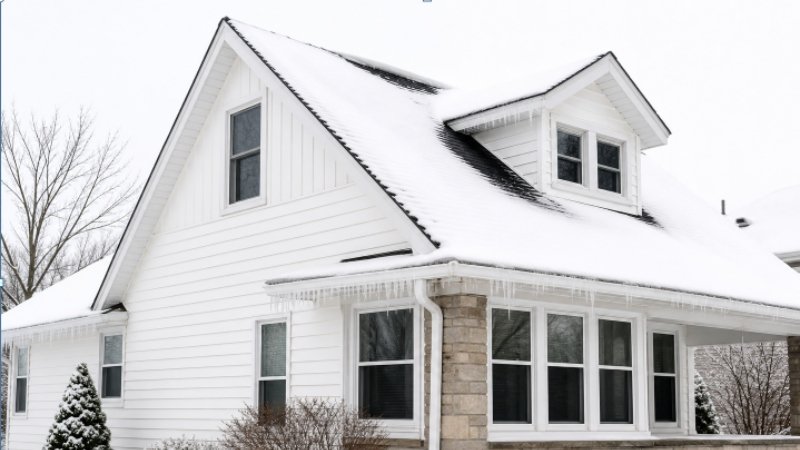
Start from the ground. Look for a roofline that appears uneven or sagging, but do not climb onto a snowy or icy roof. Watch for thick ridges of ice along eaves and valleys, which can hold back meltwater and send it beneath shingles.
- Check upper ceilings, attic insulation, and roof framing for damp areas, frost, or a musty smell.
- Keep gutters and downspout openings as clear as conditions safely allow.
- Use a roof rake carefully from the ground only when it can be done without contacting electrical lines or damaging roofing.
- Call a trained professional if snow is deep, uneven, difficult to reach, or creating visible strain.
Do not chop ice dams with sharp tools. That can puncture shingles, membranes, flashing, and gutters. The long-term solution often involves correcting air leaks, insulation gaps, ventilation issues, or drainage problems rather than simply breaking up visible ice.
Spring Thaw: Where Roof Problems Often Appear
Spring is the right time for a closer inspection of the roof and attic because meltwater can reveal leaks that were hidden during winter. Check ceilings and upper walls for fresh stains, then inspect visible areas around chimneys, skylights, plumbing stacks, vents, valleys, and flashing. Confirm that downspouts carry water several feet from the foundation, and look for shingle granules collecting in gutters or near outlets. Schedule repairs before spring rain and summer storms add more water exposure. A minor flashing repair or a small group of loose shingles is generally easier to address before water reaches the roof decking, insulation, or drywall.
Summer Hail and Wind Damage
Hail damage is not always obvious from the yard. Shingles may have dark impact marks, circular bruising, cracked seal strips, exposed matting, or loose tabs that can cause problems later. Wind can lift shingles, bend flashing, and leave debris in valleys and gutters.
- Photograph visible damage from a safe location.
- Check metal vents, flashing, gutters, siding, and window screens for dents or impacts.
- Contact the insurance provider before authorizing major work.
- Ask for a written inspection summary and scope of repairs.
Be cautious after a major storm. Avoid pressure-based offers from storm chasers, and verify insurance, local references, written terms, and the contractor’s plan for protecting the property during repairs.
Fall Preparation Before Snow Returns
Fall is often the best time to address minor roofing issues before cold, snow, and ice make repairs more complicated. Complete the following checklist while conditions are dry and safe:
- Remove leaves, twigs, and sediment from gutters.
- Test downspouts with a hose and redirect discharge away from the foundation.
- Replace cracked, missing, or loose shingles.
- Inspect flashing at roof openings and roof-to-wall transitions.
- Trim branches that could scrape the roof or fall during ice and wind events.
- Review attic insulation and ventilation, then store winter tools where they are easy to reach.
How Freeze-Thaw Cycles Affect Roofing Materials
Repeated freezing and thawing can enlarge small cracks, loosen sealants, shift flashing, and create paths for water to enter. The exterior damage may begin weeks before an indoor stain appears. Rochester’s history of prolonged freezing weather and variable winter conditions is reflected in the National Weather Service winter records, making seasonal checks especially worthwhile.
Roofing Materials That Fit Rochester Conditions
- Architectural asphalt shingles: A common, versatile choice with many color options and moderate installation costs.
- Impact-resistant shingles: A possible option for hail-prone areas, although homeowners should compare ratings, warranties, and insurance policy terms.
- Metal roofing: Durable and effective at shedding snow, but proper installation, ventilation, and snow-retention planning still matter.
- Low-slope systems: Need careful drainage design, seam inspections, and attention around rooftop equipment.
Material matters, but roof design, underlayment, flashing, ventilation, artistry, and maintenance all affect real-world performance.
When to Repair and When to Consider Replacement
Signs a Repair May Be Enough
A targeted repair may make sense when damage is limited to a few shingles or a small section of flashing, the roof is relatively young, and there is no widespread wear, sagging, deck damage, or recurring leakage.
Signs Replacement Deserves Serious Consideration
Consider a replacement discussion when curling, cracking, bald spots, soft decking, multiple leaks, extensive storm damage, or repeated repairs indicate a larger issue. Compare written estimates that clearly list materials, labor, tear-off, disposal, flashing, ventilation, permits, cleanup, timing, payment terms, and warranty details.
Common Questions From Rochester Homeowners
How often should a roof be inspected?
Plan for at least one inspection each year, plus an additional check after significant hail, wind, or heavy snow.
Can a roof leak wait until spring?
Do not ignore an active leak. Protect interior belongings if needed, document the damage, and arrange an assessment as soon as conditions permit.
Does hail damage always require a new roof?
No. The right response depends on the damage location, severity, spread, roof age, and overall condition.
Conclusion: Small Checks Can Prevent Larger Roofing Problems
Rochester homeowners cannot control snow, hail, wind, or freeze-thaw weather. They can, however, keep drainage clear, inspect safely after storms, monitor the attic, and address warning signs early. Consistent seasonal care can help a roof protect the home through 2026 and beyond. Homeowners should also watch for missing or damaged shingles, loose flashing, clogged gutters, water stains, leaks, and signs of moisture around ceilings or attic spaces. After severe weather, a professional inspection can help identify problems that may not be visible from the ground. Keeping maintenance records and addressing small issues before they worsen can also help reduce the risk of expensive repairs. A proactive approach keeps the roof better prepared for changing conditions while helping homeowners protect the structure, interior, and long-term value of their property.