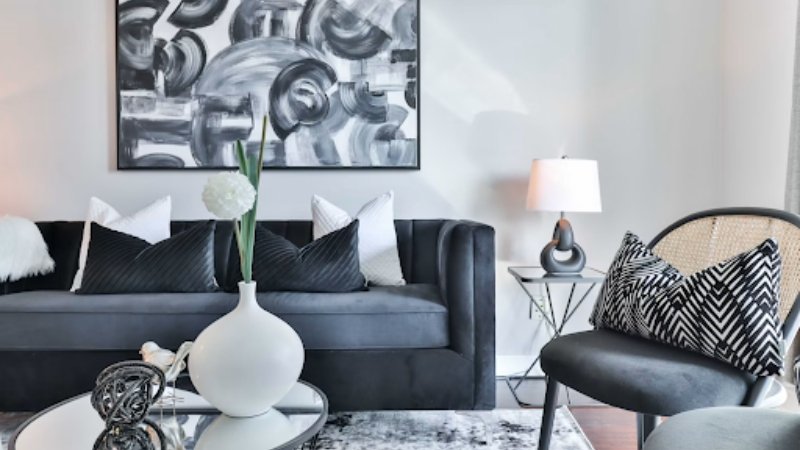
Luxury-looking rooms usually owe their appeal to proportion, texture and careful editing, not an unlimited decorating budget. Instead of copying every object from a celebrity home, study the ideas that make the space feel polished. A few considered upgrades can change the mood of a room without requiring major construction or designer furniture.
Start with the surfaces that occupy the most visual space, then build in layers. This keeps spending focused and produces a room that feels collected, comfortable and personal.
Deconstructing Modern Millionaire Aesthetic
High-profile interiors often share a clear visual structure: a restrained color palette, generous-looking furniture and a small number of strong focal points. The details may be expensive, but the underlying formula is easy to adapt.
Looking at how interior design styles evolve over time can also help explain why classic shapes still feel current when they are paired with simpler finishes and contemporary materials.
Choose two main colors and one accent shade for each room. Warm white walls, walnut tones and olive green could form one scheme, for example. Repeat those colors across flooring, curtains and upholstery so the room feels intentional.
Pay attention to scale too. One large mirror above a console usually creates more impact than several small wall decorations scattered across the same area.
You can also study the architectural features associated with modern luxury homes and recreate some of that effect through lighting, symmetry, proportion and material choices.
Prioritizing Impact Zones Over Trinkets
Put most of your budget toward the areas people notice first. Flooring, window treatments and the largest piece of furniture establish a room’s character before anyone registers candles, trays or decorative books. These broad surfaces also appear in almost every sightline, so improvements deliver better value than a collection of small accessories.
In a living room, for example, allocate funds to a well-sized rug, full-length curtains and balanced lighting. Keep existing side tables if they’re sturdy, then refresh them with paint or new hardware. The same principle works in a bedroom, where an upholstered headboard and curtains hung close to the ceiling can make modest furniture look more refined.
Simple budget-friendly interior design upgrades, such as rearranging furniture or improving the lighting, can make a noticeable difference before you spend money on decorative extras.
Working With an Established Carpet Shop
Flooring covers more space than almost any other finish, making it one of the most practical places to seek professional guidance. Visit a carpet shop with room measurements, photos and samples of your wall color. Explain how the space is used, including foot traffic, children or pets, since those details affect fiber, pile and maintenance choices.
Always view flooring samples at home before ordering. A beige carpet may look cool gray under showroom lights and noticeably warmer beside a sunny window. Check it in morning light, evening light and under your lamps.
Ask for a full quote that covers fitting and any preparation the subfloor may need. Compare long-term suitability as well as the initial price. A durable midrange carpet fitted correctly can retain its appearance longer than a cheaper option that flattens quickly or shows every mark.
Layering Textiles for Dimension and Depth
Textiles create the soft, dimensional finish seen in professionally designed homes. Begin with one dominant material, such as a wool-look carpet or a plain linen-effect curtain, then introduce two or three contrasting textures. A smooth cotton sofa can take a nubby throw and velvet cushions without making the arrangement feel busy.
Keep patterns controlled. If the curtains feature a noticeable print, use mostly solid cushions in colors drawn from that design. Vary cushion sizes and shapes, but leave enough open seating for the room to remain practical. Three cushions on a standard sofa often look more relaxed than an identical pair at each end.
Carry texture into less obvious places. A fabric lampshade softens light, a runner makes a hallway feel finished and a padded bench adds comfort at the foot of a bed. These modest layers create depth because they interact with light differently throughout the day.
A convincing high-end room should still support everyday life. Leave surfaces partly clear, choose textiles you can maintain and give every major purchase a defined job. When flooring, curtains and furniture share a consistent palette, even affordable finishing touches look considered instead of temporary.