Key Takeaways
- Prompt medical attention can uncover injuries that may not have noticeable symptoms at first.
- Delaying care could cause health complications and weaken insurance or legal claims.
- Comprehensive early documentation supports legal and insurance proceedings.
Car accidents often leave people feeling shocked or unsettled, and in the aftermath, it’s common to assume you’ve escaped injury if you aren’t in obvious pain. However, even if you feel unharmed, it’s important to seek immediate medical evaluation. Early assessment by medical professionals can reveal hidden injuries and lay the groundwork for your recovery. For quick access to care following a collision, consider visiting https://www.855dolor55.com/doral/.
Many injuries resulting from car accidents don’t show symptoms right away. Your body’s adrenaline response can mask pain, making it difficult to notice damage until hours or even days later. By visiting a doctor quickly, you give yourself the best chance for a swift and effective recovery, while also protecting your legal and insurance interests.
Early medical intervention can prevent complications that may arise from untreated injuries. It also creates a clear record that links any physical harm directly to the accident, which strengthens your position in any insurance or legal claim. Ignoring symptoms or delaying care not only worsens your health but also leaves gaps in your case that insurance companies and opposing parties may try to exploit.
Immediate evaluation is a simple step that delivers lasting benefits. If you’re unsure where to seek care, urgent care centers, emergency rooms, and primary care doctors are all appropriate options.
Understanding Hidden Injuries
Many car accident injuries are not immediately apparent. Pain from conditions such as whiplash, concussions, or internal injuries may be delayed due to a surge of adrenaline during and after the incident. For example, the Centers for Disease Control and Prevention notes that symptoms of traumatic brain injury can be subtle and only become noticeable later. Whiplash, characterized by neck pain, headaches, or even memory disturbances, can take 24 hours or more to present. Even if you leave the scene of the accident feeling fine, potential complications could be developing inside your body.
Internal bleeding might have no outward symptoms until it’s a life-threatening emergency. Concussions can cause confusion and memory issues that are not always obvious at first. Seeking early medical care ensures that injuries are detected at a stage when treatment is most effective.
The Critical 72-Hour Window
Medical experts and insurance providers alike stress the importance of getting medical attention within 72 hours of an accident. This period is considered crucial because it represents the timeframe in which delayed symptoms most commonly appear, and it also demonstrates to insurance companies that you took your health seriously from the outset. According to Forbes Advisor, immediate evaluation helps prevent hidden injuries from developing into chronic conditions.
If there is a significant delay between your accident and when you first see a doctor, insurers may argue that your injuries are unrelated to the accident or less severe than claimed. Early diagnosis and treatment are not only important for your recovery but also significant for financial compensation and legal documentation.
Legal Implications of Delayed Treatment
Immediate medical attention is also an important legal safeguard. If you choose not to visit a doctor after an accident, or if you wait too long, you risk undermining your insurance or personal injury claim. When you obtain medical records promptly after your accident, you create a clear link between your injuries and the event. These records serve as key evidence that can make or break your ability to receive financial support for your recovery.
On the other hand, gaps in treatment or unexplained delays provide opportunities for insurance companies to dispute the validity of your injuries. They may contend that your physical issues were not caused by the accident, or that your symptoms are not as severe as you report. Seeking early treatment and keeping detailed medical records helps avoid these common pitfalls.
Steps to Take After an Accident
- Seek Immediate Medical Attention: Visit a healthcare provider as soon as possible after the collision, even if you feel fine or only mildly uncomfortable.
- Document All Symptoms: Report every ache and pain, no matter how minor, to your doctor and ensure that everything is noted in your medical record.
- Follow Medical Advice: Stick to your prescribed treatment plan and attend all scheduled appointments.
- Keep Detailed Records: Retain copies of all relevant medical bills, reports, and other accident-related documentation.
Real-Life Example
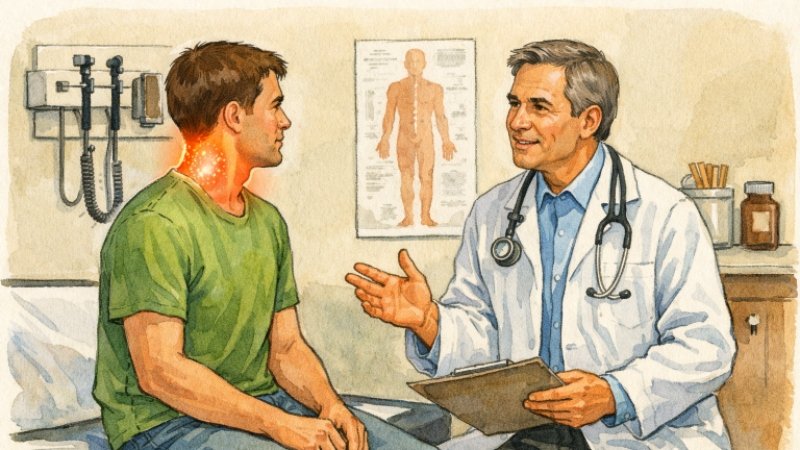
Imagine you are involved in a minor fender-bender and initially feel only mild discomfort, assuming it will resolve on its own with rest. Choosing not to seek immediate medical attention, you continue with your daily routine. However, several days later, you begin experiencing intense neck pain and are eventually diagnosed with whiplash. Because there was a delay in treatment, the insurance company may question whether your injury is truly connected to the accident, complicating your claim. This hesitation can also prolong recovery, as early diagnosis and timely care were missed. Delayed treatment may allow inflammation and soft-tissue damage to worsen, making symptoms more severe and harder to manage. Prompt evaluation after an accident helps establish medical documentation, supports your claim, and ensures injuries are properly treated from the beginning, leading to a smoother recovery overall.
Conclusion
Taking a small amount of time to seek immediate medical evaluation after a car accident can significantly impact both your physical recovery and financial protection. Prompt assessment helps identify injuries that may not be immediately visible, such as internal trauma, soft tissue damage, or concussions, allowing for faster and more effective treatment. Early medical records also serve as essential documentation for insurance claims or potential legal proceedings, strengthening your position. By acting quickly, you safeguard your health, prevent complications, and ensure your rights are properly supported throughout the recovery and claims process following a collision.