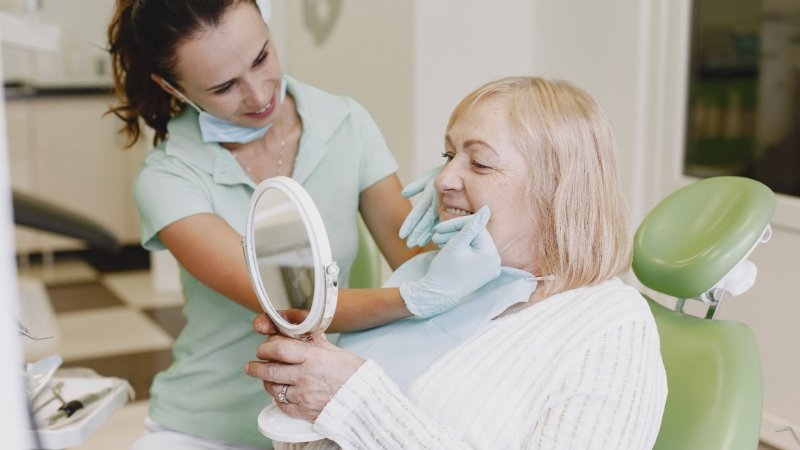
A healthy smile is often described as a reflection of good oral hygiene, but the story rarely ends with brushing and flossing. Teeth are deeply connected to the way people eat, speak, sleep, socialise and care for themselves. When oral health deteriorates, those everyday experiences can change in surprisingly subtle ways. A sore tooth might make someone avoid certain foods. Missing teeth may affect confidence in social situations. Persistent sensitivity can turn an enjoyable meal into something to approach with caution.
This is where restorative dentistry becomes more than a collection of clinical procedures. It represents an opportunity to rebuild not only damaged teeth, but also some of the everyday habits and confidence that can be disrupted by poor oral health.
The Lifestyle Behind a Healthy Smile
Oral health does not exist in isolation. Diet, stress, sleep, smoking, alcohol consumption, hygiene routines and regular dental attendance can all influence the condition of the teeth and gums.
For example, frequently consuming sugary foods and drinks can increase the risk of tooth decay, particularly when oral hygiene is inconsistent. Acidic foods and beverages may contribute to enamel erosion, while smoking is associated with an increased risk of gum disease and other oral health problems.
Yet lifestyle should not be viewed simply through the lens of blame. People have different routines, responsibilities, cultural food traditions and health circumstances. A busy parent may struggle to maintain regular appointments. A shift worker may find conventional appointment times inconvenient. Someone experiencing dental anxiety may postpone treatment despite knowing something is wrong.
Understanding these realities allows dental care to become more practical and compassionate.
Restoring More Than the Tooth
A damaged tooth can influence daily behaviour long before it becomes a major dental problem. Someone with a fractured molar might unconsciously chew on one side of their mouth. A person with missing teeth may choose softer foods, while someone with sensitive teeth may avoid hot or cold meals altogether.
Over time, these adaptations can become normal.
Restorative treatments can help address the underlying dental problem while supporting a return to more comfortable everyday function. Depending on the individual’s needs, treatment may involve fillings, crowns, bridges, dental implants or other restorative approaches.
The goal is not simply to make a tooth look complete. Good restorative care considers function, comfort, durability and the health of the surrounding structures.
This functional perspective is particularly important because teeth work as part of a larger system. The way they meet, move and distribute chewing forces can influence comfort and long-term oral health. Restoring a tooth therefore requires more thought than simply replacing what is visibly missing.
Small Habits Can Shape Long-Term Outcomes
One of the most powerful connections between lifestyle and restorative dentistry is what happens after treatment.
A beautifully restored tooth still needs everyday protection. Brushing twice daily with fluoride toothpaste, cleaning between the teeth, moderating frequent sugar intake and attending recommended dental examinations can all help protect the investment made in treatment.
These habits may sound ordinary, but their cumulative effect can be substantial.
Think of oral health as maintenance rather than a once-off project. A dental restoration can repair damage, but daily behaviour helps determine how well the surrounding teeth, gums and supporting tissues remain healthy.
This is also why preventive advice should feel achievable rather than overwhelming. Instead of attempting to completely redesign someone’s lifestyle overnight, dental professionals can help patients identify realistic improvements that fit into their existing routines.
The Emotional Side of Dental Health
The relationship between oral health and lifestyle is not purely physical.
A healthy smile can influence how comfortably a person communicates, laughs and participates in social situations. Dental problems, by contrast, may cause embarrassment or encourage people to hide their smiles.
For some patients, restoring their teeth can therefore represent a meaningful personal change. It may make eating more comfortable, speaking easier or smiling feel more natural again.
However, these outcomes are highly individual. Dental treatment cannot guarantee a particular emotional or social result, and expectations should always be discussed openly with a qualified dental professional.
What restorative care can provide is a foundation for improved oral function and appearance, with the potential to support greater confidence in everyday life.
Moving Towards Personalised Dental Care
Modern dentistry increasingly recognises that patients are not simply a collection of teeth requiring individual repairs. Their lifestyles, preferences, concerns and long-term goals matter.
A patient who plays sport may have different considerations from someone who works in a public-facing profession. An older adult managing several missing teeth may have different priorities from a young professional with a fractured tooth. Likewise, someone with dental anxiety may require a different communication and appointment approach.
This shift towards personalized care redefining patient outcomes reflects a broader understanding of what successful dental treatment can mean. Rather than focusing exclusively on completing a procedure, personalised care considers how treatment fits into the person’s life and what can realistically support their long-term oral health.
A Healthier Smile Starts With Everyday Choices
Restorative dentistry can repair what has been damaged, but maintaining a healthy smile is an ongoing partnership between professional care and everyday habits.
The most effective approach is rarely about achieving perfection. It is about making consistent choices: cleaning teeth thoroughly, choosing a balanced diet, limiting frequent exposure to added sugars, avoiding tobacco, protecting teeth during physical activities, and seeking professional advice when something does not feel right.
Ultimately, healthier teeth can contribute to happier habits, while healthier habits can help protect the results of restorative treatment. The relationship works in both directions.
A restored smile should not simply mark the end of a dental problem. Ideally, it becomes the beginning of a more conscious approach to oral health—one where comfort, function, confidence, and prevention are woven naturally into everyday life.
Healthy Teeth, Happier Habits: Exploring the Lifestyle Connection Behind Restorative Dentistry