Key Takeaways:
- Regular maintenance and testing are crucial for the longevity and safety of electrical equipment.
- Adhering to industry standards ensures compliance and operational efficiency.
- Implementing best practices in refurbishing can extend equipment life and reduce costs.
Importance of Regular Maintenance
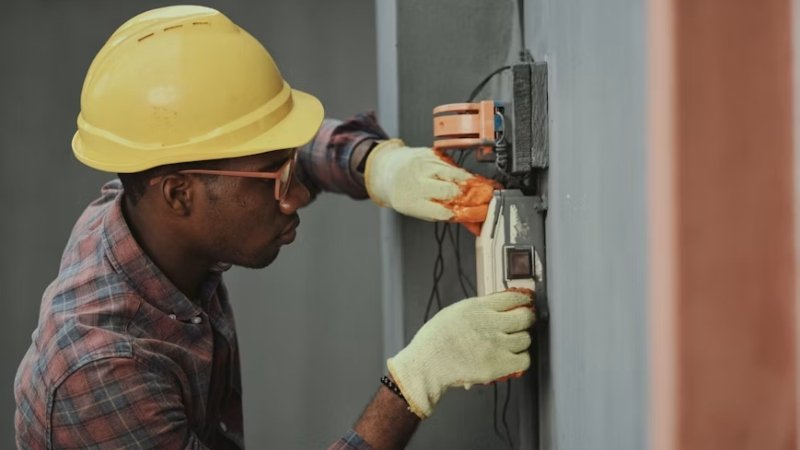
Electrical equipment is at the core of modern industrial and commercial operations. Regular maintenance is necessary not only to optimize performance but also to prioritize personnel and asset safety. An industrial electrician can help ensure these systems are properly maintained, tested, and kept in compliance with safety standards. Without effective, timely maintenance, electrical equipment may develop undetected faults, potentially leading to sudden downtime, costly repairs, and even safety incidents. As such, equipment testing is a key aspect of preventative maintenance that businesses must not overlook.
Maintenance and periodic testing are instrumental in catching potential issues before they escalate. Statistics show that the manufacturing sector reported hundreds of thousands of medically consulted injuries in recent years, which often stemmed from equipment malfunctions or a lack of proper safety protocols. Utilizing reliable testing tools helps companies minimize hazards, such as unnoticed gas leaks, which can lead to toxic exposures or explosions. Proper maintenance protects employee wellbeing and preserves the substantial investments made in electrical systems and machinery.
Insufficient attention to equipment health can also eat into organizations’ bottom lines. Repairs associated with catastrophic failures are normally more expensive than preventive interventions. Proactive strategies that emphasize maintenance and inspection not only extend equipment lifespan but also reduce long-term operational costs.
Beyond safety, regular testing and calibration of tools ensure compliance with industry standards. This approach protects companies from noncompliance penalties and reinforces a culture of responsibility and technical excellence. When viewed in this light, equipment maintenance is as much about business continuity and cost savings as it is about safety and regulatory adherence.
Adhering to Industry Standards
In a heavily regulated environment, compliance with recognized standards is non-negotiable. The National Fire Protection Association (NFPA) has created NFPA 70B, which moved from being a recommended guideline to a formal standard in 2023. This standard sets out requirements for the preventive maintenance of electrical, electronic, and communication systems, creating benchmarks that organizations must meet to mitigate risk. It is designed not only for compliance but also for elevating reliability and operational safety. By following NFPA 70B and similar standards from organizations such as the Occupational Safety and Health Administration (OSHA), businesses can systematically address risks and demonstrate due diligence to inspectors and auditors. NFPA 70B is a prime resource for facilities managers to consult when planning maintenance procedures.
These standards typically specify intervals for routine inspections, testing requirements, and guidance for documenting maintenance activities. Adherence ensures that equipment remains in good condition and can help prevent preventable incidents. It also supports efforts to standardize processes across facilities, promoting quality assurance and operational consistency.
Best Practices in Refurbishing Electrical Equipment
Refurbishing is often a cost-effective alternative to equipment replacement, especially for older or specialty systems. However, it is crucial to perform refurbishment operations in accordance with current codes and technical standards. According to the National Electrical Code (NEC) 2020 revision, all reconditioned electrical equipment must be labeled as “reconditioned,” and the original listing mark must be removed. These regulatory steps ensure that refurbished products are easily identified and meet appropriate safety standards before being returned to service.
Organizations like the Professional Electrical Apparatus Reconditioning League (PEARL) provide widely recognized industry guidelines related to inspecting, testing, and reconditioning electrical apparatus. They advocate for ethical business practices and robust technical criteria to ensure that refurbished devices match or exceed original performance standards. By embracing these best practices, companies can realize significant savings and sustainability benefits, reducing waste and extending equipment lifecycles.
Refurbishing, when done right, should include comprehensive testing, replacement or repair of critical components, and documentation verifying the quality of the process. For additional guidance, OSHA’s recommendations cover the essentials of safe refurbishment and repurposing.
Implementing Effective Maintenance Strategies
To unlock the full benefits of equipment longevity and safety, organizations must establish a systematic maintenance approach. The following elements are foundational to any successful maintenance program:
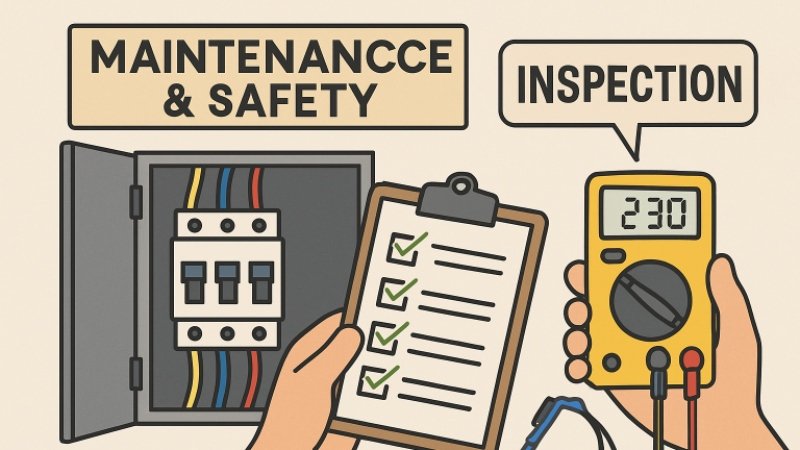
- Regular Inspections: Periodic visual and functional inspections help identify wear, deterioration, or operational changes in equipment before they become major concerns.
- Calibration and Testing: All diagnostic and testing tools should be calibrated per the manufacturer’s recommendations to ensure accuracy. Scheduled testing sessions should be performed to validate operational integrity.
- Documentation: Keeping thorough records of maintenance activities supports accountability, regulatory compliance, and trend analysis of equipment condition.
- Training: Ongoing employee training keeps teams up to date on the latest best practices, standards, and regulatory changes, enhancing skill sets and safety awareness.
By integrating these elements, organizations develop a maintenance culture that delivers consistent reliability and extends the effective service life of their electrical assets.
Collaboration across teams, use of modern digital tools for asset tracking, and continuous process evaluation further strengthen maintenance efforts.
Final Thoughts
The success and longevity of electrical equipment depend on structured maintenance efforts, adherence to regulatory standards, and the adoption of best practices in refurbishment. By staying proactive, leveraging recognized guidelines, and fostering a culture of continuous improvement, organizations can not only reduce operational risks and costs but also maximize their investments and protect their teams. Commitment to these principles ensures safer, more reliable, and more productive operations in every facility.