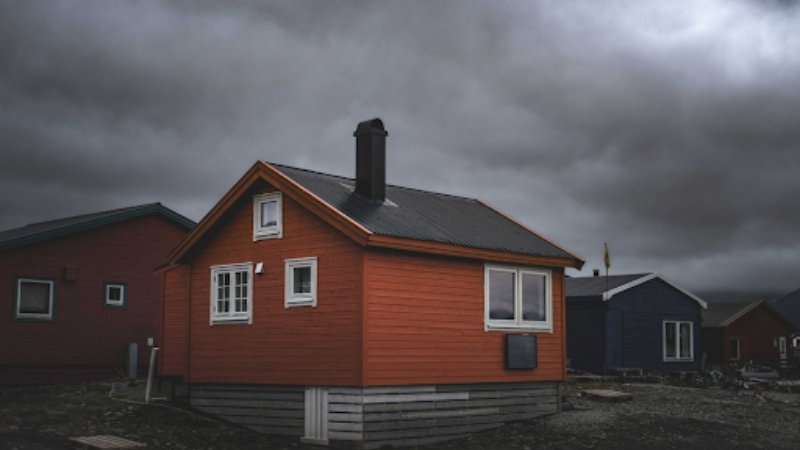
Worried about your home holding up against the next big storm?
You aren’t alone. Extreme weather is more frequent and severe than ever. Homes built to withstand it are built with proper materials from the start. The costs associated prove it too. Between 1980 and 2024, the U.S. has experienced 403 billion-dollar disasters with total damages exceeding $2.9 trillion.
That’s a lot of broken homes.
The good news? You don’t have to. Smart building decisions can safeguard your property for decades… even in extreme conditions.
What you’ll discover:
- Why Durable Materials Matter More Than Ever
- The Best Building Choices For Harsh Weather
- Tile Roof Maintenance Made Simple
- How To Protect Your Home For The Long Run
Why Durable Materials Matter More Than Ever
Building materials aren’t created equal. Some last 15 years. Others last 100.
It’s all about how buildings respond to the elements Mother Nature sends their way — including heat, wind, hail, rain and freeze/thaw cycles. The U.S. experienced 27 distinct weather disasters in 2024 where each individual event resulted in $1 billion in damages. That’s the second highest annual tally on record.
Want to know the kicker?
Many of those losses could have been prevented or minimized by the right materials. Strong roofing. Storm-resistant siding. Impact windows. It makes a difference.
This is why more homeowners are choosing to install new tile roofs instead of going with the less expensive options. Tile roofs are easy to maintain and tile has already proven it can stand up to some of the most brutal weather mother nature can throw at it. From hurricanes to desert heat, it’s a cost effective solution that lasts.
So what are the building elements you should focus on? Let’s get into it.
The Best Building Choices For Harsh Weather
Building (or retrofitting) a storm-proof home means that no decision is insignificant. Here are materials that have proven themselves superior to others.
Tile Roofing
Tile roofs are the gold standard for harsh weather durability.
Why? Clay and concrete tiles have been tested in hurricane force winds, hail, heavy rain and freeze/thaw conditions. They are fireproof naturally. They don’t rot. And depending on the style, they can have lifespans of 50 – 100+ years.
Compare that to asphalt shingles, which typically need full replacement every 20-30 years.
The lifespan numbers really tell the story:
- Clay tiles: 50-100 years with regular maintenance
- Concrete tiles: 50-75 years
- Slate tiles: 100+ years
- Metal tiles: Up to 50 years
Essentially, one tile roof installed today could potentially stay in service for the life of 3-4 asphalt roofs installed during the same time period. That sounds like a solid investment.
Impact-Resistant Windows
Windows are often the weakest point of a structure. The first thing to fail during a storm will most likely be windows.
Impact-resistant windows don’t. Made with laminated glass and reinforced frames, impact windows can withstand direct strikes from debris. Houses with impact windows experience:
- Less interior water damage
- Lower insurance premiums
- Reduced repair costs after a storm
And they help with energy efficiency too. Win-win.
Reinforced Concrete & Masonry
For walls and foundations, concrete and masonry beat wood frame construction every time. They:
- Don’t burn
- Don’t rot
- Don’t get eaten by termites
- Stand up to high winds far better
In areas where there is a significant risk of inclement weather, it’s worth investing in concrete homes.
Fiber Cement Siding
Vinyl siding cracks. Wood siding decays. Fiber cement siding laughs in the face of Mother Nature.
It is made of cement, sand and cellulose fibers. This makes it fireproof, waterproof, insect resistant, high wind resistant and can stand up to UV damage. Fiber cement installs that are done correctly can last you 50+ years with minimal maintenance.
Tile Roof Maintenance Made Simple
Tile roofs are durable, but they’re not indestructible. Maintaining your tile roof is key to reaching that 50-100 year lifespan.
Here’s what to focus on…
Annual Inspections
Regular maintenance is important for your tile roof. The single most important thing you can do is schedule an annual inspection. During the inspection a trained roofer will look for:
- Cracked or broken tiles
- Loose or slipped tiles
- Damaged flashing
- Worn underlayment
- Debris buildup
Catching small problems early stops them from turning into big, expensive ones.
Keep It Clean
Tile roofs will eventually accumulate leaves, branches and moss. This debris will hold moisture against the tile and the underlying underlayment, causing leaks.
Clean your gutters out twice annually. Trim tree branches that encroach onto the roof. Also, if you notice moss or algae growth, have it cleaned before damage occurs.
Replace The Underlayment
Here’s something most people don’t realise about tile roofs…
Tiles themselves can last a century. However the underlayment under tiles only lasts about 20-25 years. Underlayment is what actually keeps water out of your home tiles just deflecting most of it.
When your underlayment begins to fail, a skilled roofer can “lift” the existing tiles, install new underlayment, then reinstall the tiles. This greatly prolongs the life of the entire system.
Fix Damaged Tiles Fast
One broken tile doesn’t seem like much. It allows water to penetrate to the underlayment.
Repair cracked or broken tiles as soon as possible. Good roofers should have some matching tiles for such repairs.
How To Protect Your Home For The Long Run
Building for harsh weather isn’t just about one material — it’s about layered protection.
The most resilient homes combine:
- A durable, weather-tested roof (tile is hard to beat)
- Impact-resistant windows and doors
- Reinforced wall construction
- Quality siding that won’t fail under pressure
- Proper drainage and waterproofing
- Regular maintenance routines
Nothing makes your home indestructible on its own. But layering these decisions together results in a home that can withstand years of extreme weather with little impact.
Best of all? Insurance companies know it. Many will offer discounts if you build with impact-resistant materials and weather-grade construction.
Final Thoughts
Doing it right the first time pays. The price you pay for tile roofing, impact windows and fiber cement siding now is small compared to the cost of replacing your roof, windows and siding twice. Think of it this way. Storms will come. Will your home be prepared?
Begin with your roof. It’s your homes most vulnerable area and experiences the greatest impact. Master tile roof maintenance, ensure annual inspections, and you’ll protect the rest of your structure as well.
Your home is one of your largest investments. Select materials that will stand the test of time, not just 15 years.