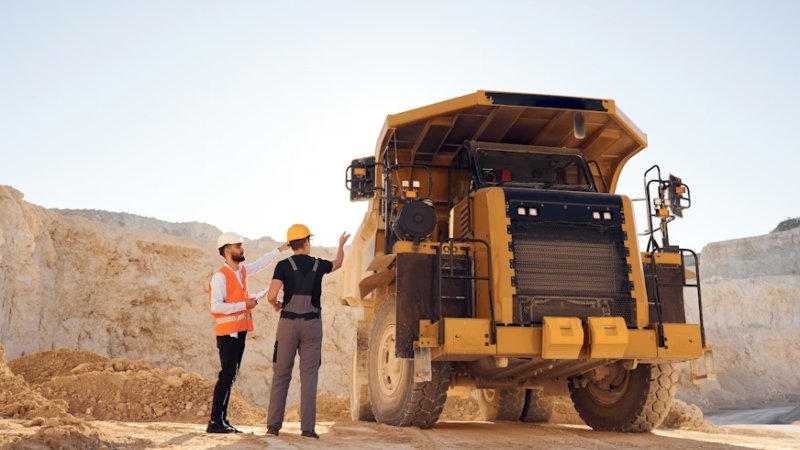
Construction does not slow down because the terrain is rough or the load is heavy. The machines that keep sites moving need to be built for punishment. Heavy duty tipper trucks sit at the core of every serious earthmoving, mining, and bulk logistics operation. Australia’s construction sector spent over AUD 250 billion in 2023. A huge portion of that money moves on the back of a tipper. Without these trucks, quarries stop producing, road bases never get laid, and demolition rubble sits in piles. The tipper truck is not glamorous. It is essential.
What Makes a Tipper Truck ‘Heavy Duty’?
Not every tipper is a heavy-duty tipper. Light-duty tippers carry 5 to 10 tonnes. Heavy-duty models carry 20 to 40 tonnes per load, sometimes more in mining configurations. The difference is the chassis rating, the hydraulic system, and the body construction. Heavy-duty tippers use high-tensile steel bodies, often Hardox 450 or 500, which is 3 to 4 times harder than standard structural steel. This matters because aggregate, rock, and mining material destroy softer bodies within months. The hydraulic tipping cylinder on a heavy-duty model operates at 200 to 250 bar of pressure to lift loaded bodies weighing several tonnes. That system needs to work reliably every single day.
How Do Tipper Trucks Perform on Construction Sites?
Construction tippers operate in some of the worst conditions a truck can face. Soft ground, steep ramps, sharp turns, and constant loading and unloading cycles stress every component. Western Star tipper trucks used across Australian construction sites are spec’d with high-torque engines, reinforced frames, and heavy-duty suspension rated for off-road abuse. The DD15 engine, producing 505 hp and 1,850 lb-ft of torque, delivers the low-end grunt needed for loaded uphill starts. Allison or Eaton Fuller transmissions paired with these engines give drivers smooth, responsive power delivery in stop-start site conditions. Traction control and diff locks are standard on serious site tippers.
What Are the Productivity Numbers Behind Tipper Operations?
A single heavy-duty tipper completing 8 loads per shift of 20 tonnes moves 160 tonnes of material in a day. At a rate of AUD 15 per tonne for aggregate haulage, that is AUD 2,400 in daily revenue from one truck. Fleets of 10 trucks generate AUD 24,000 per day. The economics of tipper ownership reward reliability above everything else. One breakdown day on a busy site can mean penalties, delayed programs, and unhappy contracts. That is why experienced operators choose trucks with proven uptime records over cheaper alternatives. Total cost of ownership, not purchase price, is what decides tipper fleet profitability.
Why Does Body Design Matter as Much as the Engine?
The tipper body is not an afterthought. The geometry of the tipping angle, the door mechanism, the tailgate locking system, and the spread of load during discharge all affect how efficiently a truck works. Most heavy-duty tippers tip at 45 to 50 degrees. Sticky loads like wet clay or bituminous material need steeper angles or vibrating floors to discharge fully. A half-discharged load that a driver tries to move creates dangerous instability. Tipping bodies with V-shaped floors self-clean better than flat floors. Body weight also matters. Every kilogram of body weight is a kilogram taken from payload capacity. High-strength steel bodies weigh less than mild steel while lasting longer.
How Do Tippers Handle Australian Outback Conditions?
Australia’s mining and construction regions push equipment to extremes. Temperatures in the Pilbara and Kimberley exceed 45 degrees Celsius. Dust in dry seasons is relentless and penetrates every seal. Roads in remote areas are not roads in any traditional sense. Western Star tippers running in outback conditions are spec’d with desert air cleaners, high-capacity cooling systems, and sealed electrical connectors. Fuel tank capacity goes up to 700 litres to handle long hauls between fuel points. Remote area tippers often carry on-board fluid monitoring systems. When the nearest dealer is 500 km away, the truck needs to look after itself.