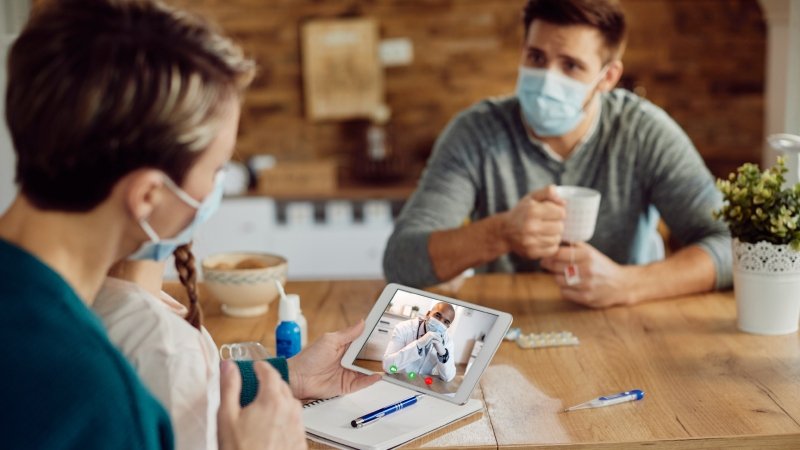
Modern dentistry recognizes that no two patients have exactly the same oral health needs. Factors such as age, medical history, lifestyle habits, existing dental conditions, and long-term goals all influence the type of care that may be most effective for an individual. As a result, personalized treatment planning has become an essential component of high-quality dental care. Rather than applying a generalized approach, dental professionals create customized strategies designed to address the specific needs and concerns of each patient.
Personalized treatment planning helps improve communication, supports better outcomes, and enhances the overall patient experience. By developing care plans that reflect unique circumstances and objectives, dental providers can deliver more effective and meaningful treatment. Understanding the benefits of personalized treatment planning highlights why this approach has become such an important part of modern oral healthcare.
Improved Accuracy in Treatment Recommendations
One of the most significant benefits of personalized treatment planning is the ability to provide more accurate and relevant treatment recommendations. Every patient presents a unique set of oral health factors that must be considered when developing a care strategy. These may include existing restorations, gum health, bite alignment, medical conditions, and personal preferences regarding treatment.
When dental professionals evaluate these factors carefully, they can create recommendations that are specifically suited to the individual’s needs. This tailored approach reduces the likelihood of unnecessary procedures and helps ensure that treatment decisions align with both current oral health conditions and future goals.
More accurate planning also allows providers to identify potential concerns early and address them before they become more complex. By focusing on individual circumstances, personalized treatment plans contribute to more effective and efficient dental care.
Enhanced Patient Engagement and Communication
Patient involvement is an important factor in successful dental care. Personalized treatment planning encourages meaningful communication between patients and their dental providers, creating a collaborative approach to oral health management.
When treatment plans are tailored to individual needs, patients often gain a clearer understanding of why certain recommendations are being made. This transparency helps build trust and encourages patients to take a more active role in their oral healthcare decisions. Individuals who understand their treatment options and expected outcomes are often more comfortable proceeding with care.
Whether visiting a family dentist in San Diego or another community provider, patients generally appreciate receiving individualized attention and recommendations that reflect their specific concerns. Personalized discussions create opportunities for patients to ask questions, express preferences, and participate in developing a plan that aligns with their goals. This level of engagement frequently leads to greater satisfaction and stronger long-term relationships with dental providers.
Better Long-Term Oral Health Outcomes
Personalized treatment planning supports improved long-term oral health by focusing on both immediate needs and future prevention. Rather than addressing dental concerns as isolated issues, customized plans consider how current conditions may affect oral health over time.
For example, a patient with an increased risk of gum disease may require more frequent monitoring and preventive care than someone with a lower risk profile. Similarly, individuals with a history of tooth decay may benefit from additional preventive strategies designed to protect enamel and reduce future complications.
This proactive approach allows dental teams to monitor progress, adjust recommendations when necessary, and provide ongoing support as needs evolve. By addressing risks early and maintaining a long-term perspective, personalized treatment planning helps patients preserve healthier teeth and gums throughout their lives.
More Efficient Use of Time and Resources
Efficiency is another important advantage of personalized treatment planning. Customized care strategies help dental professionals prioritize treatments based on urgency, patient goals, and overall oral health needs. This organization makes it easier to create realistic timelines and coordinate treatment effectively.
Patients benefit from understanding the sequence of recommended procedures and the expected progression of care. A clearly defined plan can reduce uncertainty and make appointments more productive. It also allows providers to allocate resources appropriately while minimizing delays or unnecessary visits.
Financial planning often becomes easier as well. Patients can review treatment recommendations, discuss available options, and prepare for future care with greater confidence. This level of organization helps create a smoother experience while supporting informed decision-making throughout the treatment process.
Increased Comfort and Patient Confidence
Dental visits can be a source of anxiety for some individuals. Personalized treatment planning helps alleviate many common concerns by creating a care experience that reflects individual preferences and comfort levels. Providers can adjust treatment approaches, communication styles, and scheduling recommendations to better accommodate each patient’s needs.
When patients feel understood and supported, they are often more comfortable during appointments and more confident in the care they receive. A personalized plan demonstrates that the dental team has taken the time to evaluate individual circumstances rather than applying a generic solution.
This sense of confidence can have a meaningful impact on treatment acceptance and long-term oral health habits. Patients who trust their providers are more likely to attend routine appointments, follow preventive recommendations, and remain engaged in maintaining their oral health.
Stronger Preventive Care Strategies
Preventive care is most effective when it reflects the unique risks and needs of each patient. Personalized treatment planning allows dental professionals to develop targeted preventive strategies based on factors such as oral health history, lifestyle habits, and existing conditions.
Some patients may require more frequent cleanings, while others may benefit from specialized preventive treatments or additional education regarding oral hygiene practices. These individualized recommendations help ensure that preventive efforts are focused where they can provide the greatest benefit.
By creating customized prevention plans, dental providers can help patients reduce the likelihood of future complications while promoting healthier long-term outcomes. Personalized prevention also reinforces the importance of ongoing care and encourages patients to remain proactive about protecting their oral health.
Conclusion
Personalized treatment planning offers numerous benefits that extend beyond the dental chair. Through more accurate recommendations, stronger communication, improved long-term outcomes, greater efficiency, enhanced comfort, and targeted preventive care, this approach creates a more effective and patient-centered healthcare experience. By recognizing the unique needs of every individual, dental professionals can develop strategies that support healthier smiles and greater patient satisfaction. As dentistry continues to emphasize customized care, personalized treatment planning will remain a valuable tool for achieving long-term oral health success.