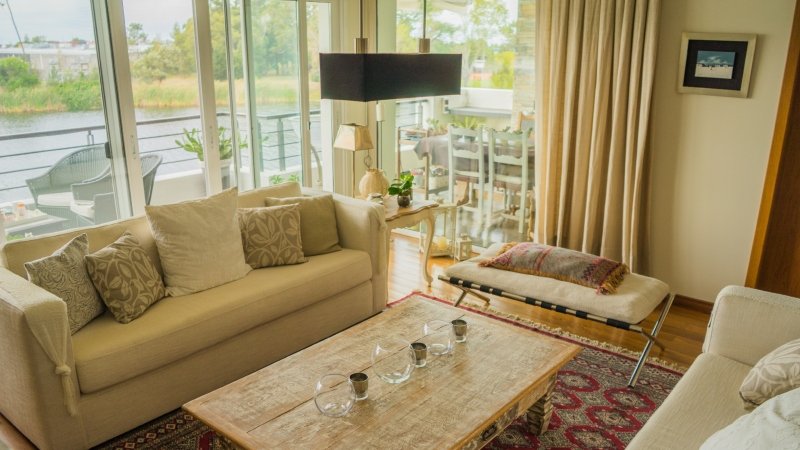
For years, the living room was the center of the home. It was where people gathered, entertained guests, and spent their downtime. Today, that dynamic is shifting, and more homeowners are investing in outdoor spaces that feel just as intentional and comfortable as their interiors. Companies like US Quality Construction are seeing firsthand how decks are no longer treated as simple add-ons, but as essential parts of modern living room. This evolution is not just about aesthetics. It reflects a broader lifestyle change, one that prioritizes comfort, flexibility, and a deeper connection to personal space.
Why Outdoor Living Is No Longer Optional
The way people use their homes has changed dramatically. Remote work, flexible schedules, and a growing emphasis on mental well-being have pushed homeowners to rethink how every square foot is used.
Outdoor spaces, once considered secondary, are now essential. A well-designed deck offers something traditional interiors often cannot, which is a sense of openness without sacrificing comfort. It becomes a place to unwind, host, work, or simply disconnect.
This shift is also influenced by what people see in media and public life. High-profile individuals often showcase thoughtfully designed outdoor areas that blend functionality with style. These spaces are not extravagant for the sake of it; they are intentional, designed for everyday living.
The Concept of a “Second Living Room”
A deck is no longer just a platform attached to a house. When designed correctly, it mirrors the function of an indoor living area.
It includes defined zones for seating, dining, and relaxation. It incorporates lighting, textures, and materials that create a cohesive atmosphere. Most importantly, it is built with purpose.
The idea is not to replicate the indoors but to extend it. A deck should feel like a natural continuation of the home, not an afterthought.
Homeowners who approach their outdoor space this way often find that it becomes one of the most used areas of their property.
Design Choices That Actually Matter
Creating a functional outdoor living space requires more than selecting materials or adding furniture. It starts with understanding how the space will be used.
Layout plays a critical role. A deck designed for entertaining will look very different from one intended for quiet relaxation. The flow between indoor and outdoor spaces should feel seamless, allowing movement without disruption.
Material selection is equally important. Durability, maintenance, and visual appeal must all be considered. A well-built deck balances these factors without compromising on design.
Lighting is often underestimated, yet it defines how the space is experienced. Subtle, well-placed lighting can transform a deck from a daytime feature into an evening retreat.
Function Meets Lifestyle
What makes modern decks different is how closely they align with personal lifestyle choices. They are not built for occasional use. They are integrated into daily routines.
For some, this means creating a space for morning coffee and quiet reflection. For others, it becomes a hub for social gatherings. In many cases, it serves multiple purposes throughout the day.
This flexibility is what elevates a deck from a simple addition to a core part of the home.
The Value Beyond Aesthetics
While a visually appealing deck can enhance a property’s appearance, its true value goes deeper. It contributes to how a home is experienced.
There is a psychological aspect to outdoor living that cannot be ignored. Access to open air, natural light, and a change of environment can significantly impact mood and well-being.
From a practical standpoint, a well-designed deck can also increase usable living space without the complexity of a full home addition. It offers a high return in terms of both functionality and long-term value.
Avoiding Common Mistakes
One of the most common issues homeowners face is treating the deck as an isolated project. When it is not aligned with the overall design of the home, it can feel disconnected.
Another mistake is underestimating how the space will be used over time. A deck should be designed with flexibility in mind, allowing it to adapt as needs change. Quality of construction is another factor that should not be overlooked. Poor planning or materials can lead to ongoing maintenance issues, ultimately diminishing the experience.
Working with experienced builders, including teams like US Quality Construction, can help ensure that both design and execution are handled with long-term usability in mind.
A Shift That Reflects Modern Living
The rise of the “second living room” is not a passing trend. It reflects a broader shift in how people define comfort, space, and home.
Outdoor areas are no longer reserved for occasional use. They are becoming essential extensions of daily life, designed with the same care and intention as interior spaces.
For homeowners considering an upgrade, the question is no longer whether a deck is worth it. The real question is how to design one that truly enhances the way they live.
When approached thoughtfully, a deck becomes more than a feature. It becomes a destination within the home itself.