Modern gaming studios operate more like global production companies than small teams of programmers. A major release may involve designers, artists, writers, engineers, performers and business specialists working across several countries for years. Behind the creative work sits a complicated corporate system that must control staffing, schedules and spending without limiting experimentation. Understanding that machinery helps explain why celebrated titles take so long to produce and why even successful studios can face financial pressure.
Why Blockbuster Titles Require Hundreds of Creators
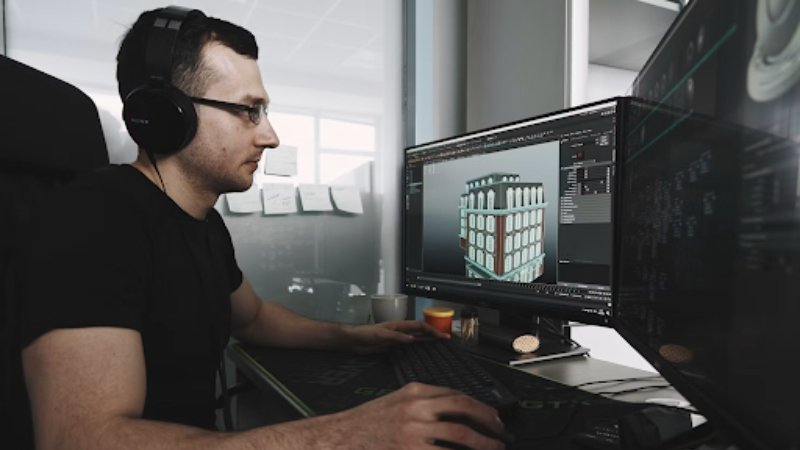
Large games combine software development, visual storytelling and interactive entertainment in one product. Environment artists build locations while animators create movement, writers develop characters and engineers make every system work across supported devices. Quality assurance teams then test thousands of possible interactions.
Film offers a useful comparison. Examining Christopher Nolan’s approach to filmmaking shows how a distinctive creative vision still depends on coordinated departments and technical specialists. Gaming studios face a similar challenge, with the added complication that players can affect what happens on screen.
At the other end of the scale, desktop technology is changing creative production by allowing individual creators to handle parts of a workflow that once required larger specialist teams. Major games, however, still demand coordination across numerous disciplines because of their technical scope and interactive complexity.
Managers can control that complexity by dividing production into clear feature groups. Each group should have an owner, staffing plan and definition of completion. Shared documentation also reduces costly confusion when employees and external partners work in different time zones.
Unpredictable Timelines and Burn Rates
A development schedule may look precise on paper, but creative production rarely moves in a straight line. A combat-free movement system that seems enjoyable in a prototype might feel awkward once placed inside a finished environment. Reworking it could affect animation, sound and level design at the same time.
Analysis of the economics of the gaming industry shows the pressure studios face as development costs rise while audience and revenue growth become harder to sustain.
Delays become expensive because payroll, office costs and technology contracts continue every month. Studios should track monthly burn rates by project phase, not only by department. Leaders can then see when delayed work is keeping expensive specialists assigned longer than expected.
Regular milestone reviews should also include cancellation or redesign criteria, giving teams permission to stop weak features before they consume another quarter.
Predicting Studio Payroll Across Multiyear Cycles
Payroll forecasts become difficult when staffing needs change throughout a three- or five-year project. Early development may rely heavily on designers and technical leads. Production brings in more artists, engineers and testers, while the period before release may require larger support and marketing teams.
Finance and HR leaders need a shared view of headcount, compensation and required skills, while workforce planning and forecasting software can connect personnel data with financial forecasts, helping those teams compare hiring plans and test different cost scenarios.
A useful forecast includes a baseline plan plus delayed-release and reduced-scope models. If a launch moves by six months, the studio should know which positions remain necessary, which contracts may be extended and how the delay changes total payroll. Updating these assumptions every month keeps the forecast tied to actual production conditions.
Sustaining High-Skill Studios Long Term
Experienced employees hold knowledge that rarely appears in a project manual. They understand internal tools, remember why earlier design choices failed and know how to solve recurring technical problems. Losing several senior people after a demanding release can slow the next title before production starts.
Retention requires realistic workloads, visible career paths and time for skill development. Studios can schedule recovery periods after major milestones and create mentorship duties that count as real work. Cross-training also prevents one specialist from becoming the only person who understands a critical system.
Long-term planning should account for the gap between releases as well. Smaller updates, internal prototypes and tool improvements can keep core teams productive without forcing every employee immediately onto another large project. This continuity protects institutional knowledge while giving leadership time to decide which ideas deserve full investment.
The strongest studios treat creative ambition and financial discipline as connected responsibilities. When leaders can see where skills are concentrated, how delays affect payroll and when workloads are becoming unsustainable, they can protect both the project and the people building it. That corporate machinery may remain invisible to players, but its quality is often felt in every polished release.