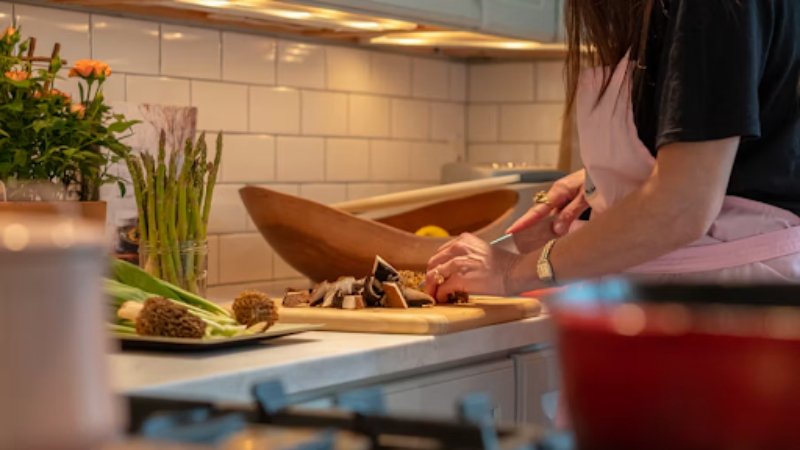
Elite private chefs rely on repeatable kitchen habits that make excellent meals feel effortless. Their advantage often comes from careful shopping, focused preparation and a firm grasp of a few dependable cooking methods. As this look at what sets an elite private chef apart explains, personalization and consistency matter as much as technical skill.
You can bring the same thinking into your own kitchen. Start with better ingredients, learn how heat and moisture affect them and remove steps that add work without improving dinner.
Prioritize Sourcing Over Technique
A complicated recipe can’t rescue produce that has lost its flavor or seafood that wasn’t handled properly. Professional chefs start by finding the best ingredients available within the budget, then decide how little intervention those ingredients need. This approach saves time because good food rarely requires a long list of seasonings.
Shop with a flexible plan. Instead of committing to asparagus before you reach the store, plan for “one green vegetable” and inspect what looks crisp and vibrant. Leaves should appear lively, mushrooms should feel firm and citrus should feel heavy for its size. For packaged foods, check dates and storage instructions as well as appearance.
The same care applies to seafood. The FDA’s guidance for selecting and serving seafood recommends buying refrigerated products from a clean display and keeping them cold until cooking. If you want an easy centerpiece for a quick dinner, rope-grown fresh mussels supplied live in a 2-pound shell-on pack work well for steaming or pasta. Keep them chilled and follow the storage and cooking directions that come with the order.
Build relationships where you shop, too. A fishmonger, butcher, or produce manager can tell you what arrived that morning and what should be cooked first. Ask one direct question: “What looks best today?” The answer may produce a better dinner than another hour spent comparing recipes.
Master Quick Steaming and Simmering
Steaming and simmering offer control without demanding constant attention. Both methods use moderate heat and moisture, making them useful for vegetables, grains, dumplings, eggs, and delicate proteins. Once you recognize the visual cues, you can stop relying on exact recipe times.
For steaming, bring a small amount of water to a full boil before adding food to the basket. Keep the food above the water, cover the pot and avoid lifting the lid every minute. Thin green beans may need four to six minutes, while thicker broccoli stems can take longer. Test the densest piece with the tip of a small knife. It should be tender with a little resistance, not limp.
A simmer looks different from a boil. You want small bubbles rising at a calm, steady pace. Aggressive boiling can break apart tender ingredients, make broth cloudy, and reduce liquid too quickly. The USDA’s safe minimum temperature chart gives clear targets for meat, poultry, seafood, and leftovers, so use a food thermometer when doneness affects safety.
Private chefs also manage carryover cooking. Food continues to warm briefly after leaving the pot, which means vegetables should come out just before they reach your preferred texture. Drain them promptly, season while warm, and finish with lemon juice or olive oil. That small adjustment preserves color and prevents the soft, waterlogged result that gives steaming an unfair reputation.
Build Flavor with Aromatic Foundations
Many memorable meals begin with a short combination of chopped vegetables, herbs, and spices warmed in fat. Onion and garlic form a familiar base, but the underlying method works across many cuisines. Celery and carrot can add sweetness to soup, ginger and scallion can sharpen a broth, and toasted cumin can give lentils a warmer finish.
Prepare aromatics before heating the pan. Garlic cooks much faster than diced onion, so adding everything at once can leave one ingredient raw while another burns. Start with the ingredient that needs the most time. Cook onion over medium heat until it softens, then add garlic for the final 30 to 60 seconds. Dry spices can go in soon after, where brief contact with warm oil helps release their aroma.
Salt in stages. A small pinch while vegetables soften draws out moisture and begins seasoning the foundation. Taste again after adding stock or tomatoes, then make a final adjustment before serving. This keeps you from trying to correct a flat dish with a large amount of salt at the end. The American Heart Association’s guidance on sodium can help you assess packaged ingredients such as broth, canned beans and sauces.
Aromatic bases are also ideal for advance preparation. Chop onions, carrots and celery for two or three dinners, then refrigerate them in separate airtight containers. You’ll still control each cooking time while removing a tedious weeknight task. Freeze extra ginger, herb stems, or sliced scallions before they fade. Those small reserves can turn plain rice, soup or noodles into a satisfying meal without a special grocery run.
Keep Weeknight Menus Minimalist
A private chef may create elaborate food for an event, but ordinary meals benefit from restraint. Choose one main element, one vegetable and one starch or grain. Give each component a clear purpose. If the main dish has a rich sauce, keep the vegetable bright and simply seasoned. If roasted vegetables provide deep caramelized flavor, serve them with a lightly dressed protein and plain rice.
Limit yourself to one cooking project that requires close attention. You might stir a pan sauce while potatoes roast and greens steam. Trying to manage three last-minute stovetop recipes creates timing problems and leaves less attention for seasoning. A written two-line timeline helps: start the slowest item first, prepare cold components next, and cook delicate foods near serving time.
Minimal menus also reduce unused groceries. Pick ingredients that can cross into another meal. Roasted vegetables can fill a grain bowl the next day, herbs can become a quick sauce, and cooked rice can anchor lunch. Food storage still matters. Follow the USDA recommendation to refrigerate perishable leftovers within two hours, using shallow containers so food cools efficiently.
The same focused thinking applies outside the kitchen. FamePerson’s guide to building real search visibility shows how consistency and clear priorities often outperform scattered effort. At dinner, that means repeating dependable formats while changing seasonal ingredients. A grain bowl, soup, or sheet-pan meal can feel new each week without forcing you to learn an entirely different system.
The most useful professional habit is knowing when the meal is finished. Taste the food, check its texture and add one final source of freshness, such as herbs, citrus, or a spoonful of yogurt. Then stop. A well-sourced ingredient cooked with care rarely needs another layer.