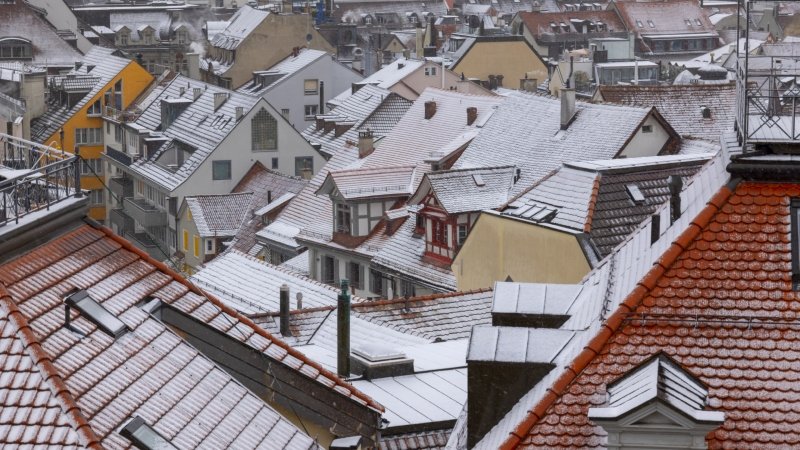
Choosing a roof in Idaho means looking beyond curb appeal. Conditions can vary widely between lower-elevation communities, mountain areas, and northern parts of the state, but many properties face some combination of summer sun, snow, wind, rain, ice, and rapid temperature changes. Details such as aluminum flashing installation deserve as much attention as the shingles or panels because water protection depends on how the entire roof is assembled. A roof that appears attractive from the street can still be vulnerable if its edges, wall intersections, valleys, and penetrations are not designed and installed to direct water away from the building.
A practical roofing decision starts with the building itself: its slope, exposure, attic condition, drainage, nearby trees, and long-term maintenance needs. The best material is not automatically the most expensive option or the one used on a neighboring home. It is the material and roof system that fits the property’s conditions, budget, and expected ownership timeline. Owners should also consider whether future additions, solar equipment, skylights, or mechanical upgrades may require roof access later, as these plans may influence the ideal material and layout today.
Start With Local Weather Conditions
Idaho roof planning should begin with the weather risks most likely to affect the specific property. A home exposed to open wind may need greater attention at roof edges, ridges, vents, and fasteners. A mountain property may need careful planning for snow, ice barriers, and drainage. A low-slope commercial roof may require a design that reliably directs water toward drains or scuppers. The direction of prevailing weather, the height of the building, and whether surrounding structures provide shelter can all affect how wind and water act on the roof.
Snow deserves more consideration than simply selecting a roof covering that can remain exposed through winter. Snow accumulation, uneven melting, and refreezing near colder eaves can place stress on drainage components and create conditions where water backs up beneath the exterior covering. Roof geometry matters here: valleys, dormers, long rafter runs, and transitions where a steep roof meets a lower roof may collect snow or slow drainage. These areas should be identified before construction rather than treated as afterthoughts.
Shade and tree cover matter too. Branches can rub against the roof, while needles, leaves, and debris can retain moisture or obstruct gutters. Attic insulation and airflow also influence how heat and moisture move through the building. In short, the climate is only part of the equation. The roof’s shape, exposure, and condition determine how the climate reaches the structure. Keeping branches trimmed back where practical and clearing seasonal debris can also make inspections easier and reduce the chance that blocked drainage conceals a developing problem.
Compare Common Roofing Materials
Each common roofing material has potential advantages, limitations, and installation requirements. Product quality and the roof assembly can differ significantly, even within the same category. A useful comparison considers the material’s compatibility with the roof slope, the number of penetrations and transitions, expected maintenance, local code requirements, and the availability of qualified installers for the selected system.
- Asphalt shingles: Often selected for broad availability, style choices, and a lower initial material cost. Compare the product’s wind and impact classifications, verify ventilation needs, and pay close attention to fastening and flashing details. Shingle roofs can be suitable for many residential roof shapes, but complex areas such as valleys, sidewalls, and chimney transitions still require careful detailing.
- Metal roofing: Can be lightweight and may offer long service potential when the panels, coatings, fasteners, and trim are appropriately selected. Expansion and contraction, penetrations, snow movement, and future access for repair should be considered before installation. Panel profile and fastening method can affect appearance and maintenance needs, particularly on roofs with many vents, skylights, or directional changes.
- TPO and other low-slope membranes: Commonly used on broad, low-slope roof surfaces. Seam quality, penetrations, drainage design, and resistance to surface damage are central concerns. Because water may move more slowly across low-slope surfaces, the locations of drains, scuppers, tapered insulation, and overflow paths should be part of the design discussion.
-
Tile and synthetic products:
- Can create a distinctive appearance and may offer durable performance, but weight, structural capacity, breakage risk, cost, and installer experience require review. Replacement pieces, attachment methods, and access for future maintenance are also worth discussing before choosing these products.
Material warranties should be read in context. A manufacturer’s warranty may address defects in the roofing product, while workmanship coverage may address installation-related concerns for a separate period and under separate terms. Neither type of coverage eliminates the value of a detailed scope of work, documented materials, and records of any repairs completed during the project.
Consider Heat And Energy Use
Roof color can influence surface temperature, but color alone does not define energy performance. Solar reflectance describes how much sunlight a surface reflects. Thermal emittance describes how effectively a surface releases absorbed heat. The solar reflectance and thermal emittance of cool roof products can help buyers compare these properties when reduced summer heat gain is a priority.
For Idaho buildings, the tradeoff is worth considering carefully. A more reflective roof may reduce cooling demand during sunny weather, while reduced solar heat absorption can be less beneficial during cold periods. Insulation levels, attic airflow, roof orientation, HVAC efficiency, and occupancy patterns all affect the final result. Compare expected energy benefits to the purchase price, rather than assuming that any one color or material will lower utility costs in every setting. For example, a building with substantial air leakage or inadequate attic insulation may see limited benefit from changing roof color alone, while improvements to the overall enclosure could have a more noticeable effect on comfort.
Ventilation should not be viewed as a substitute for correct insulation or air sealing. Its role is to support the roof and attic assembly by helping manage heat and moisture under appropriate conditions. Bathroom fans, kitchen exhaust, and other moisture-producing systems should also discharge outdoors as intended rather than into attic spaces, where moisture can contribute to condensation and material deterioration.
Check Wind And Rain Performance
A roof’s performance is not determined by the visible covering alone. Underlayment, flashing, drip edges, fasteners, seams, valleys, vents, and drainage paths all help defend against wind-driven rain. Roof edges and corners can experience higher wind forces than the central field of the roof, so those areas deserve precise installation. Starter materials, edge metal, attachment patterns, and properly integrated flashings work together to reduce weak points where wind can lift or direct water beneath the primary covering.
Hail-prone areas may warrant a discussion about impact-rated products, but a rating should be evaluated alongside the property’s actual exposure and insurance requirements. Age matters as well. Research on the wind performance of aging asphalt shingles reinforces the value of routine inspection instead of assuming an older roof will perform exactly like a new one. After major weather events, owners should look for visible displaced materials, damaged gutters, loose metal trim, or interior signs of water entry, while avoiding unsafe attempts to walk on steep or potentially damaged roof surfaces.
Look Beyond The Visible Roof Covering
A new roof covering cannot compensate for hidden deck damage, poor drainage, or weak flashing. Before selecting a material, review the complete system:
- Inspect roof decking for signs of rot, movement, or moisture damage.
- Determine whether local conditions call for upgraded underlayment or ice protection.
- Check transitions around chimneys, walls, skylights, vents, and plumbing penetrations.
- Confirm that gutters, downspouts, drains, and grading move water away from the building.
- Review insulation and attic ventilation before the roofing work begins.
- Ask how seams, fasteners, edges, valleys, and penetrations will be handled.
It is also helpful to establish how concealed conditions will be handled. Once old roofing is removed, damaged sheathing, deteriorated fascia, or previously hidden water staining may become visible. A clear written process for documenting those conditions, pricing approved repairs, and confirming changes before additional work proceeds can prevent confusion during the project.
Balance Cost, Service Life, and Maintenance
The material price is only one part of the project budget. A meaningful estimate should account for tear-off, disposal, permit requirements, deck repairs if needed, flashing, ventilation work, cleanup, and site protection. A lower initial quote may not represent the lower long-term cost if it excludes necessary repairs or uses fewer protective details. Estimates are easier to compare when they identify whether the same tear-off scope, underlayment, edge treatment, ventilation components, and flashing work are included.
Maintenance needs also vary. Roofs beneath trees may need more frequent debris removal. Complex rooflines have more intersections and flashing locations to monitor. Low-slope roofs need drainage checks, while metal roofs may require attention to sealants and exposed fasteners where applicable. Request written estimates that identify the proposed materials and describe the installation scope clearly. Keep copies of contracts, product information, permits, photographs, and warranty documents so future owners, inspectors, or repair professionals can better understand the roof system.
Service life should be treated as an expectation rather than a guarantee. Weather exposure, installation quality, maintenance, ventilation, foot traffic, and storm damage can all affect how long a roof performs before repair or replacement becomes necessary. A roof that costs more initially may offer value when its expected maintenance demands and replacement timing align with the owner’s goals, but that decision should be based on the entire installed system rather than on material cost alone.
Inspect The Existing Roof Before Choosing
Not every defect requires a full replacement, but several signs justify a closer inspection. Watch for missing, cracked, curled, or loose roofing pieces; ceiling stains; soft decking; rusted metal components; worn flashing; open membrane seams; exposed fasteners; and standing water that remains after normal drainage time. Wind, hail, fallen branches, and heavy snow can also create damage that is not obvious from ground level. Interior checks are useful as well: attic staining, damp insulation, mold-like growth, daylight visible through the roof deck, or unusual odors can indicate that moisture management needs attention.
Inspection timing matters. A review before purchasing a property, after a major storm, before installing solar equipment, and near the end of a material warranty period can help identify concerns while there is still time to plan repairs. Regular visual checks from the ground can be useful, but a qualified professional may be needed when the roof is steep, high, slippery, difficult to access, or showing signs of structural or water-related damage.
Questions To Ask Before Work Begins
- Which material suits this roof slope and weather exposure?
- What wind, fire, impact, and water-related ratings apply to the proposed product?
- Will the existing roofing be removed, and what happens if damaged decking is found?
- How will flashing, valleys, roof edges, vents, and penetrations be installed?
- Are ventilation or insulation changes included in the scope?
- What maintenance should be expected after installation?
- What workmanship and manufacturer coverage applies?
- Who will be responsible for permits, site cleanup, landscape protection, and disposal of removed materials?
- How will unexpected repairs be documented and approved if they are discovered after the tear-off?
- What steps will be taken to protect the property if the weather interrupts the work?
Common Roofing Questions
Is Metal Roofing Always Better Than Shingles?
No. Metal can be a strong option for durability and weather resistance, but shingles may better fit another property’s budget, appearance goals, roof geometry, and maintenance plan. Installation quality remains essential for both. The right comparison considers the specific product, attachment method, roof slope, number of transitions, and the ease of future repairs.
Do Dark Roofs Make a Building Much Hotter?
Darker surfaces generally absorb more sunlight than lighter ones, but indoor comfort depends on more than roof color. Insulation, ventilation, roof design, windows, and HVAC performance also influence the heat inside the building. Roof color may be one useful factor in a larger efficiency plan, but it should not be treated as a stand-alone solution for comfort concerns.
Can a New Roof Fix Attic Moisture Problems?
Not necessarily. Moisture can be caused by air leaks, inadequate insulation, limited ventilation, improper bathroom exhaust routing, or indoor humidity. Those conditions should be evaluated separately from the roof covering. Addressing the source of moisture before or during roofing work can help protect new materials and reduce the risk that the same issue returns after replacement.
Conclusion
For Idaho property owners, the smartest roofing choice is one that matches the building, local exposure, roof design, budget, and maintenance expectations. Compare complete roof systems rather than selecting by appearance or price alone. A careful inspection and a clear written scope can make the final decision more durable, practical, and easier to manage over time. Taking time to compare materials, confirm installation details, and plan for maintenance can help make a major roofing project a more informed, long-term investment.