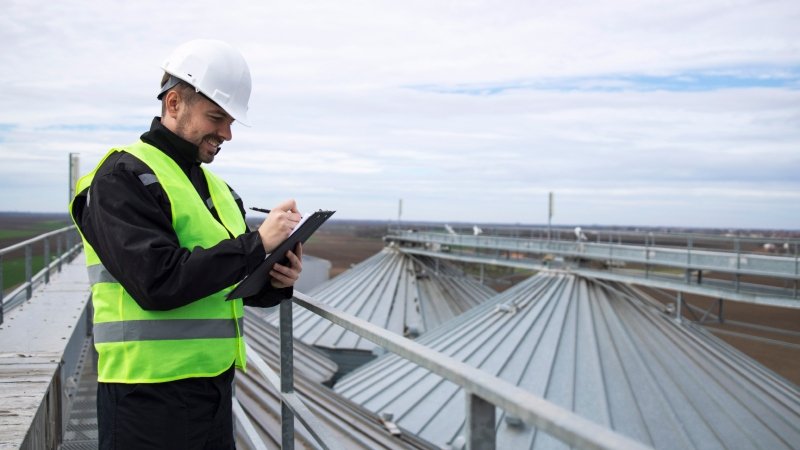
Hiring the right commercial roofing contractor in Northeast Ohio is an important step when you need to repair or replace a commercial roof. A strong roof protects your building, equipment, workers, and daily business activities. However, choosing the wrong contractor can lead to poor work, costly repairs, and project delays. That is why property owners should check a few important things before signing a contract. Working with a local commercial roofing team can also help you find roofing solutions that suit the area’s weather and your building’s needs. By following these eight simple steps, you can make a better choice and protect your investment.
1. Check the Contractor’s License and Insurance
First, check whether the roofing company has the right business credentials and insurance. These details help you understand whether the contractor operates professionally and takes responsibility for its work.
Ohio does not have a single statewide roofing contractor license that applies to every roofing project. However, some cities and local authorities have their own rules, permits, or registration requirements. Therefore, ask the company about the requirements for your property’s location.
You should also ask for proof of general liability insurance and workers’ compensation coverage, where applicable. These protections can help reduce your risk if an accident or property damage occurs during the project.
When checking a licensed roofing contractor in Ohio, remember to verify local requirements rather than relying only on a company’s claims. A professional contractor should explain these details clearly and provide the documents you request.
2. Look for Commercial Roofing Experience
Commercial roofs are different from residential roofs. Many commercial buildings have flat or low-slope roofs, large drainage systems, rooftop equipment, and special insulation needs. Because of this, experience matters.
Ask how long the company has worked on commercial roofing projects. You should also find out whether it has experience with buildings similar to yours, such as warehouses, offices, retail stores, or industrial facilities.
For example, a contractor who regularly installs TPO roofing may understand its installation needs better than a company that mainly works with residential shingles. Likewise, an experienced contractor can help identify drainage problems, damaged flashing, and weak roof areas before they become bigger issues.
In Northeast Ohio, winter snow, freezing temperatures, strong winds, and repeated freeze-thaw cycles can put extra stress on commercial roofs. Therefore, choose a company that understands these local conditions and knows how to recommend suitable roofing materials.
3. Verify Manufacturer Certifications
Next, ask whether the contractor has certifications from roofing material manufacturers. These certifications may show that the company has completed specific training or meets certain manufacturer requirements.
Many roofing manufacturers offer contractor programs for particular products and installation systems. Depending on the program, certified contractors may have access to special product warranties or other benefits.
However, not every certification offers the same advantages. Ask the contractor which manufacturers it works with and whether its certification applies to the roofing system planned for your building.
You should also confirm whether the manufacturer requires specific installation methods to maintain warranty coverage.
A reliable commercial roofing contractor checklist should include this step because the quality of the materials matters, but correct installation matters just as much. Even good roofing products may fail early if workers install them incorrectly.
4. Ask for References and Previous Projects
A contractor’s past work can tell you a lot about its service and reliability. Before making a decision, ask for references from previous commercial roofing customers.
Try to speak with property owners or facility managers who have completed projects similar to yours. Ask them whether the contractor finished the job on time, communicated clearly, followed the agreed budget, and cleaned the work area properly.
You can also ask to see photographs of completed projects. If possible, visit a nearby building where the company has installed or replaced a roof.
When checking contractor references, ask questions such as:
- Did the contractor complete the work as promised?
- Were there any unexpected costs?
- Did the crew follow safety rules?
- How did the company handle problems?
- Would the customer hire the contractor again?
These simple questions can help you understand how the company treats its customers. Moreover, they may reveal problems that are not obvious from an online advertisement or website.
5. Compare Commercial Roofing Bids Carefully
Price is important, but the lowest bid is not always the best choice. Some contractors offer lower prices because they use different materials, leave out important work, or provide less detailed service.
Therefore, request written estimates from at least two or three qualified companies. Each estimate should explain what the contractor plans to do and what the price includes.
When comparing commercial roofing bids, look for these details:
- Removal and disposal of the old roofing system, if needed
- New roofing materials and insulation
- Flashing and drainage improvements
- Labor and equipment costs
- Permit fees, where applicable
- Cleanup and disposal
- Warranty information
- Additional charges for hidden damage
For example, one contractor may include insulation replacement while another may only install a new roof membrane. Although the second bid looks cheaper, it may not cover everything your building needs.
Ask each company to explain unclear items before you make your final decision. A clear estimate helps you understand the actual value of the work instead of comparing prices alone.
6. Review the Scope of Work in Detail
The scope of work explains exactly what the contractor will do during the project. It should describe the roofing materials, installation process, repair work, and any other services included in the agreement.
Read this section carefully before signing a contract. Make sure it explains whether the contractor will remove the existing roof, inspect the roof deck, replace damaged insulation, repair flashing, and improve drainage where necessary.
It should also explain how the contractor will handle hidden damage. For example, workers may discover wet insulation or damaged roof decking after removing the old roofing material. The contract should explain how the company will report these problems, price the extra work, and receive your approval before proceeding.
Never rely only on verbal promises. Ask the contractor to put important agreements in writing.
A detailed scope of work reduces confusion and helps both parties understand their responsibilities. As a result, you can manage your roofing project with greater confidence.
7. Understand the Warranty Before Signing
A commercial roofing warranty can protect you against certain problems after installation. However, warranty terms differ between manufacturers and contractors.
Some warranties cover specific material defects, while others may include certain installation-related problems. Coverage periods, exclusions, maintenance duties, and claim requirements can also vary.
Before signing the agreement, ask for clear answers to these questions:
- What does the manufacturer’s warranty cover?
- Does the contractor provide a separate workmanship warranty?
- How long does each warranty last?
- What problems or expenses are excluded?
- What maintenance must you complete to keep coverage valid?
You should also ask whether the warranty requires inspections or approved maintenance procedures. Keep copies of the warranty documents, invoices, and project records in a safe place.
Remember that a longer warranty does not automatically mean better protection. Read the actual terms and understand what they cover. A trustworthy contractor should explain the conditions in simple language instead of making promises that the written documents do not support.
8. Confirm the Project Timeline and Safety Plan
Finally, discuss the project timeline before hiring the contractor. Commercial roofing work can affect employees, customers, deliveries, and daily business operations. Therefore, you need to know how the company plans to complete the job with as little disruption as possible.
Ask when the crew will start, how long the project should take, and whether weather conditions could cause delays. Northeast Ohio often experiences rain, snow, strong winds, and cold temperatures that may affect roofing work.
The contractor should also explain its safety plan. This may include fall protection, safe equipment use, work-area barriers, and procedures for protecting people below the roof.
If your building must remain open during construction, discuss access routes, noise, debris removal, and working hours. A clear schedule can help you prepare your staff and inform customers about any temporary changes.
Also, ask who will supervise the project and whom you should contact if a problem occurs. Regular updates can make the process easier to manage.
Final Thoughts
Choosing the right commercial roofing contractor takes more than comparing prices. You should check insurance, commercial experience, manufacturer certifications, customer references, written bids, the scope of work, warranty terms, and the project timeline.
These eight steps can help you avoid common mistakes and choose a company that understands your building’s needs. Most importantly, take time to review the documents and ask questions before signing anything.
If you own or manage a commercial property in Northeast Ohio, look for a contractor who communicates clearly, explains the available options, and provides a detailed written estimate. A careful choice today can help protect your building, control future maintenance costs, and support the long-term performance of your commercial roof.