Introduction
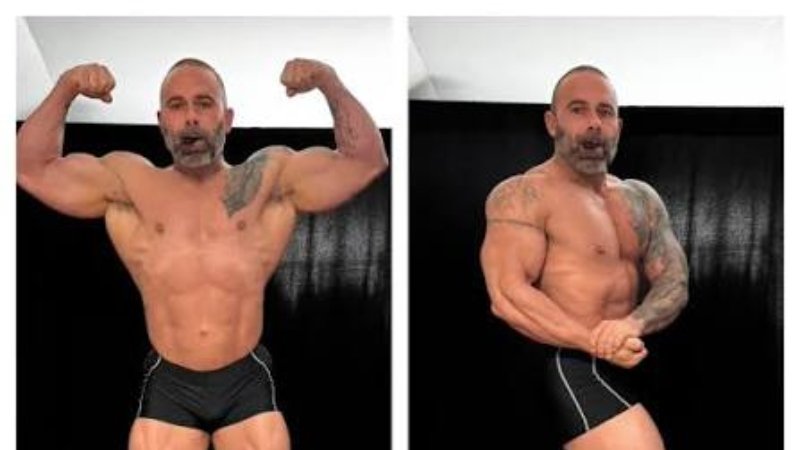
George Bolzoni built a career spanning security operations, healthcare logistics, hospitality, and fitness management before founding George Bolzoni Fitness, where he now provides clients with tailored workout plans and diets to support their health goals. Early in his career, he provided security support for NBA and NFL players at Madison Square Garden, later moving into logistics with Stryker Corporation, where he distributed orthopedic surgical equipment to hospitals. He also gained customer service experience through front-desk and supervisory roles at LA Fitness and La Quinta by Wyndham. Bolzoni studied physical education and health at Kean University, where his coursework covered biomechanics, anatomy, and physiology, and he holds certifications in animal control, first aid, and automated external defibrillator use. That combination of operational discipline and health science training now informs how he screens clients before their first session.
Screening gives a personal trainer an initial picture before exercise begins. Here, screening means gathering fitness-readiness information, not performing a medical exam or clearing a condition. A first session should start with questions and a basic fitness assessment before the trainer chooses exercises.
The trainer first asks about health history to understand the person’s starting context. Prior injuries, medications, and current symptoms belong in that intake because they may reveal limitations or concerns the trainer may not see. This step keeps the trainer from letting stated goals alone set the starting plan.
Current activity level also matters before the workout begins. A person who walks daily, lifts weights, or plays sports has a different baseline than someone returning to exercise after months away. The trainer also considers the intended intensity, which refers to how hard the activity will feel and how much it will challenge breathing, effort, and recovery.
Trainers may use a readiness questionnaire, such as the PAR-Q+, or Physical Activity Readiness Questionnaire for Everyone, to organize intake information. The form asks about heart conditions, high blood pressure, chest pain, dizziness, medications, chronic conditions, and bone, joint, or soft tissue concerns. It does not replace a healthcare professional, but it gives the trainer a structured way to flag concerns before activity increases.
Screening also protects the boundary of the trainer’s role during intake. A trainer can design exercise, teach form, monitor effort, and adjust a fitness plan. Still, a trainer should not diagnose pain, treat disease, or promise that exercise will fix a medical condition.
When a person reports symptoms, new medical concerns, or pain that requires evaluation, the trainer should pause and refer the person instead of working around the problem. Goals still belong in the first conversation, but they do not determine the initial workload on their own. Weight loss, strength, sports performance, mobility, and general health goals may point toward different long-term directions.
Screening helps the trainer set expectations when someone’s goal requires a slower start than expected. Next, a trainer may observe basic movement before adding resistance or speed. Biomechanics means how joints and muscles work together during movement, such as ankle, knee, and hip positions during a squat.
Posture, balance, joint position, and basic movement patterns can help the trainer choose an appropriate exercise and movement range. Movement observations affect exercise selection, while conditioning history affects workload and recovery demands. A person with little recent activity may need lower initial intensity, shorter duration, and gradual progression.
A more active person may still need a gradual start if the first session introduces unfamiliar movements or higher effort. Screening continues once the session starts because effort can reveal problems that intake did not show. Unlike referrals that come from what a person reports during intake, these signs emerge during activity and require immediate response.
Chest discomfort, unusual shortness of breath, lightheadedness, fainting, nausea with other warning signs, or pain that does not match the level of ordinary exercise effort should stop the activity. The trainer should seek emergency help when symptoms suggest a medical emergency.
Ideally, a useful screening process should lead to a clear first-workout decision rather than a preset routine. The trainer can proceed when the information supports activity, modify when the person needs a lower starting demand, delay when intake answers leave readiness unclear, or refer when the concern belongs with a healthcare professional. That decision standard helps the first workout match the person’s current readiness, goals, and response to effort.
About George Bolzoni
George Bolzoni is a fitness and nutrition trainer who founded George Bolzoni Fitness in Union City, New Jersey, after a career spanning security operations, healthcare logistics, and hospitality management. He studied physical education and health at Kean University, with coursework in biomechanics, anatomy, and physiology, and holds certifications in animal control, first aid, and automated external defibrillator use. His background in NBA security operations and orthopedic equipment logistics informs his structured, safety-focused approach to client training today.