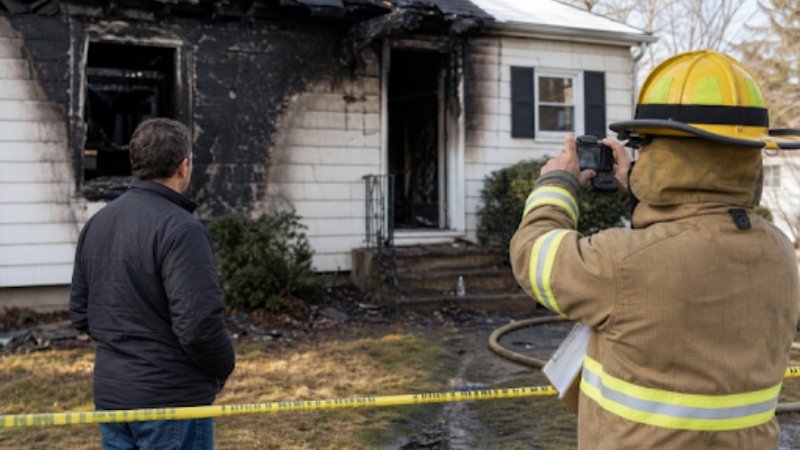
A house fire can turn an ordinary day into a confusing and stressful emergency. During the first 24 hours, focus on safety, clear records, and small decisions that protect your family and property. Professional fire and smoke cleanup in Charlotte can help later, but no cleanup task is more important than making sure people and pets are safe first.
You do not need to solve every problem in one day. Take one step at a time, listen to fire officials, and keep notes as you go. This checklist can help you avoid common mistakes while beginning the recovery process.
Put People and Pets First
Confirm that every person living in or visiting the home is safe. Call 911 if anyone has burns, trouble breathing, dizziness, chest pain, or signs of smoke exposure. Smoke can affect people even when they seem fine at first. Pets also need attention because animals may hide pain or breathing problems.
Let close family members and trusted friends know that everyone is safe. Shock is common after a fire, so avoid making rushed choices when possible. Find a safe place to sit, drink water, and write down important details while they are still fresh.
Wait for Official Clearance
Do not reenter the house until the fire department or another qualified authority says it is safe. A building may look stable from the outside but still have weak floors, damaged wiring, broken glass, hot spots, gas leaks, or ceilings that could fall.
For local help after officials allow access, consider arranging fire damage restoration in Huntersville to address smoke, soot, and water damage that may persist. Follow all barriers, warning signs, and instructions from emergency workers.
The American Red Cross advises families to stay out of a fire-damaged home until local fire authorities say it is safe to return. Its home fire recovery guidance also recommends getting medical or veterinary care for serious injuries and notifying loved ones that you are safe.
Document the Damage
Once entry is approved, document the home’s condition before moving or cleaning anything. Take wide shots of each room, then close-ups of walls, ceilings, floors, furniture, appliances, and personal belongings. A slow video walkthrough can also show the full scope of the damage.
Create a simple inventory of damaged or missing items. Include the item name, estimated age, brand, model number, and estimated value when known. Save receipts for hotel stays, meals, clothing, transportation, pet boarding, and emergency supplies. These records may help with an insurance claim.
Contact Insurance and Key Contacts
Call your insurance company or claims representative as soon as you can. Ask about temporary housing, emergency funds, approved cleanup work, personal property coverage, and what items should be saved for inspection. If you rent, contact your landlord or property manager and your renter’s insurance provider.
Keep a Call Log
- Date and time of each call
- Name and title of the person you spoke with
- Claim number or case number
- What was discussed, and any promised as the next step
You may also need to contact utility companies, your mortgage company, and local disaster-relief organizations. Ask the utility provider whether electricity, gas, and water service should remain off until the property has been inspected.
Protect the Property From Further Damage
After approval from officials and your insurer, take reasonable steps to prevent more loss. Broken windows may need boarding, roof openings may need covering, and exposed doors may need securing. Quick protection can reduce damage from rain, humidity, animals, theft, or falling debris.
Do not attempt electrical, gas, roofing, or structural repairs yourself. Avoid throwing away majorly damaged items until your insurer gives direction. Photograph everything first, then ask what needs to be retained for the claim.
Handle Food, Medicine, and Personal Items Carefully
Food, drinks, medicine, cosmetics, and pet supplies exposed to heat, smoke, soot, or firefighting water may not be safe. Do not taste food to test it, and do not use medicine that appears damaged, wet, discolored, or contaminated. Photograph questionable items before disposal when possible.
Wear sturdy shoes, gloves, eye protection, and a properly fitted mask if limited cleanup is permitted. Separate belongings that may be salvageable from items that are clearly unsafe. Avoid rubbing soot into fabrics or wiping it with dry household towels, as this can spread the residue.
Watch for Smoke, Water, and Structural Hazards
Fire damage is rarely limited to the room where the flames started. Smoke residue can travel through vents and settle on surfaces throughout the home. Water used to put out the fire can soak floors, walls, insulation, wiring, and belongings.
Stop Work and Leave Immediately If:
- You smell gas or hear a hissing sound.
- You see sagging ceilings, soft floors, or exposed wires.
- You notice sharp debris, standing water near electrical equipment, or a strong new odor.
- You feel dizzy, short of breath, or unwell.
Do not use candles, grills, or other open flames for light. Do not touch damaged electrical equipment, and never mix cleaning products. Smoke and soot removal often requires specialized methods, especially after a large fire or heavy water damage.
Plan the Next Steps
Recovery may include inspections, water removal, soot cleaning, odor treatment, repairs, and replacement of materials that cannot be saved. Ask each contractor what work is urgent, what can wait, and how they will document the work. Choose qualified providers with clear contracts, proper credentials, and references.
Keep copies of estimates, invoices, inspection reports, photos, and insurance messages in one folder. The U.S. Fire Administration’s after-fire resources can also help families plan for property checks, financial recovery, and replacement of important documents.
Common Questions After a House Fire
Can residents enter the home right away?
No. Wait until local fire officials or another qualified authority confirms that it is safe to enter.
Should damaged belongings be thrown away?
Not before you take photos, make an inventory, and check with your insurer. Some items may need to be inspected before disposal.
What should renters do first?
Contact the property manager, renter’s insurance company, and local relief organizations. Keep records of all conversations and temporary living costs.
How can the smoke odor be removed?
Odor removal may require cleaning hard surfaces, laundering fabrics, removing damaged materials, and using safe ventilation when conditions allow. Strong or lasting odors often need professional treatment.
Conclusion
The first 24 hours after a house fire are about protecting people, documenting damage, communicating with the right contacts, and stopping further loss. Use a written checklist, keep your records together, and take recovery one manageable step at a time.