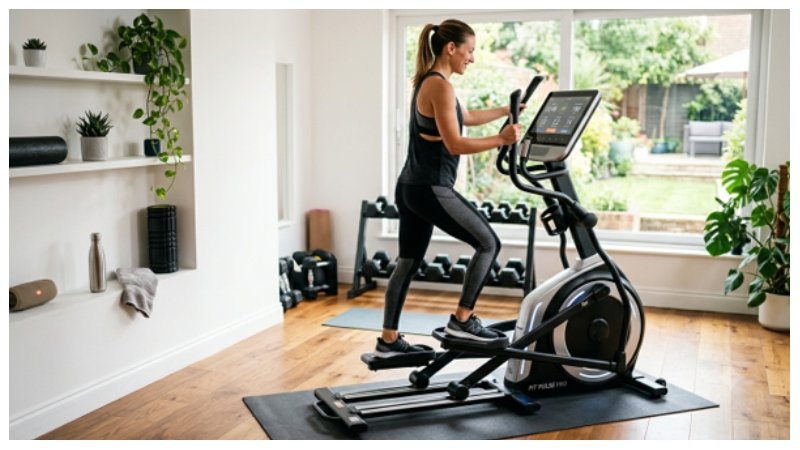
Investing in an electrical cross trainer is a smart way to improve your fitness from the comfort of your home. Combining the benefits of walking, running, and stair climbing, an electrical cross trainer provides a full-body workout while placing less stress on your joints. However, with countless models available in the market, many buyers end up making costly mistakes that lead to disappointment, discomfort, or unnecessary expenses.
Understanding these common buying mistakes can help you choose an electrical cross trainer that matches your fitness goals, budget, and available space. Here’s what you should avoid before making your purchase.
Buying Based Only on Price
One of the biggest mistakes buyers make is choosing the cheapest cross trainer available. While saving money is important, an extremely low-priced machine may compromise on build quality, durability, resistance levels, and comfort.
Instead of focusing solely on price, evaluate the overall value of the machine. Consider the frame quality, warranty, resistance system, display features, and customer reviews. A slightly higher investment often results in better performance and a longer lifespan.
Ignoring Your Fitness Goals
Not every electrical cross trainer is designed for the same purpose. Some models are ideal for beginners who want light daily exercise, while others are built for high-intensity training and endurance workouts.
Before buying, ask yourself what you want to achieve. If you’re deciding between an electrical cross trainer and a climbmill-stepper, consider the type of workout you prefer and your long-term fitness goals. If your goal is weight loss, you’ll need adjustable resistance and varied workout programs. If you’re looking to improve cardiovascular health or maintain general fitness, a mid-range model with essential tracking features may be sufficient.
Choosing a machine that aligns with your personal fitness objectives ensures you’ll get the most out of your workouts.
Overlooking Resistance Levels
Resistance plays a major role in workout intensity. Many buyers don’t pay attention to the number of resistance levels available and later realize the machine no longer challenges them as their fitness improves.
An electrical cross trainer with multiple resistance settings allows you to gradually increase workout intensity, helping you build strength, endurance, and stamina over time.
Not Considering Stride Length
Stride length directly affects workout comfort and effectiveness. A machine with a stride that’s too short or too long can feel awkward and reduce exercise efficiency.
Taller users generally benefit from a longer stride, while shorter users may prefer a more compact movement. Testing the machine or reviewing its specifications beforehand can help ensure a comfortable workout experience.
Ignoring Machine Stability
A cross trainer should remain stable throughout your workout, even during high-intensity sessions. Lightweight or poorly constructed machines may wobble, creating discomfort and safety concerns.
Look for a sturdy steel frame, quality construction, and a maximum user weight capacity that comfortably exceeds your own weight. A stable machine not only feels safer but also lasts longer.
Forgetting About Available Space
Many buyers get excited about features but forget to measure the available space at home. Cross trainers are often larger than expected, and insufficient space can make workouts inconvenient.
Measure your workout area before purchasing. Leave enough room around the machine for easy movement, ventilation, and maintenance. If space is limited, consider compact or foldable models if available.
Ignoring Console Features
The display console provides valuable workout information such as speed, time, calories burned, distance, heart rate, and workout duration. Some buyers overlook these features, only to regret missing advanced tracking capabilities later.
If you enjoy monitoring progress or following structured fitness plans, choose a model with a clear display and smart connectivity options such as Bluetooth or fitness app compatibility.
Choosing Comfort as an Afterthought
Comfort significantly impacts workout consistency. Uncomfortable pedals, awkward handlebars, or poor ergonomics can make exercising feel like a chore.
Select an electrical cross trainer with large non-slip pedals, ergonomic moving handlebars, and a smooth, natural motion. A comfortable machine encourages regular use and helps reduce fatigue.
Skipping Customer Reviews and Warranty
Many shoppers purchase a machine without researching customer experiences or checking warranty coverage. Reviews often reveal valuable insights about durability, assembly, noise levels, and after-sales support.
Similarly, a reliable warranty reflects the manufacturer’s confidence in its product. Choosing a cross trainer backed by good customer service can save you money and frustration in the future.
Focusing Only on Features Instead of Long-Term Value
Modern electrical cross trainers often come with impressive features like touchscreen displays, built-in speakers, USB charging ports, and virtual training programs. While these extras are appealing, they shouldn’t outweigh the essentials.
Prioritize build quality, performance, comfort, and reliability before considering premium features. A dependable machine with fewer extras will usually deliver better long-term value than a feature-packed model with poor construction.
Final Thoughts
Buying an electrical cross trainer is an investment in your health, but choosing the wrong model can affect both your fitness journey and your budget. Avoiding common mistakes such as buying based only on price, overlooking resistance levels, ignoring comfort, or failing to consider available space will help you make a more informed decision. Click here for more information.
Take time to compare models, understand your fitness goals, and focus on quality rather than unnecessary features. The right electrical cross trainer will provide years of effective workouts, helping you stay active, improve your endurance, and achieve your fitness goals with confidence.