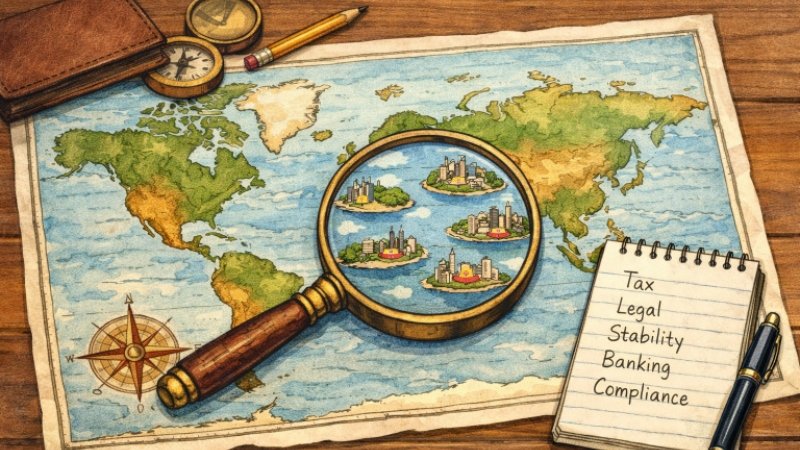
Establishing an offshore company can offer compelling benefits, including tax efficiency, asset protection, increased privacy, and greater business agility. However, the ultimate success of your venture hinges on selecting the right jurisdiction. By assessing key factors and jurisdictional options, you can ensure that creating an offshore company delivers lasting advantages while maintaining compliance with evolving international standards.
Understanding the nuances of different offshore jurisdictions is essential. Some locations are known for low or zero tax rates, while others emphasize corporate transparency, secure legal protections, or unrestrictive operating conditions. As global regulatory scrutiny increases, the choices you make today impact both your business opportunities and your risk profile in the future.
Understanding Offshore Jurisdictions
Offshore jurisdictions are countries or territories that offer foreign businesses attractive conditions, such as low tax rates, confidentiality, and flexible regulations. Entrepreneurs and investors often select these locations for their ability to reduce tax burdens, protect assets from legal threats, and operate globally without excessive restrictions. According to the Organization for Economic Co-operation and Development (OECD), offshore destinations are also taking steps to meet global transparency and anti-money laundering standards, making the choice of jurisdiction more nuanced than ever.
Key Factors to Consider
Several core considerations should guide your decision when selecting an offshore jurisdiction:
- Tax Environment: Research the jurisdiction’s stance on corporate income tax, capital gains tax, and withholding taxes. Some destinations offer generous tax exemptions for offshore companies, while others may have specific tax obligations depending on the nature and location of business activities.
- Legal and Regulatory Framework: The credibility and stability of the legal system underpin your company’s security. Choose jurisdictions with reliable legal protections and clear corporate laws.
- Political and Economic Stability: Opt for jurisdictions with a stable political climate and sound economic fundamentals. This minimizes the risks of unpredictable policy changes or economic shocks.
- Reputation and Perception: International perceptions are critical to banking and business operations. Jurisdictions respected by global regulatory bodies, investors, and banks will make it easier to transact and expand your business footprint.
- Compliance Requirements: Understand annual reporting mandates, audit obligations, economic substance policies, and renewal processes to avoid fines or reputational damage.
- Banking Facilities: Reliable access to banking services is essential. Evaluate the ease and reputation of banking services available to offshore entities within your target jurisdiction.
Due diligence in these areas not only influences regulatory compliance but also affects your ability to open and maintain international bank accounts and grow your operations in a sustainable, low-risk manner. To gain a broader understanding of current trends and challenges in international business structures, The Guardian recently published an analysis of the shifting landscape of offshore finance.
Top Offshore Jurisdictions in 2026
In 2026, a handful of jurisdictions will continue to attract global businesses, thanks to their favorable regulatory and tax environments, political stability, and world-class financial infrastructure.
1. British Virgin Islands (BVI)
The BVI retains its reputation as a leading destination for holding companies and international business companies. With a tax-neutral platform, flexibility in corporate structures, and a proven legal system, it is preferred by entrepreneurs seeking efficient asset protection and privacy.
2. Cayman Islands
The Cayman Islands remain at the forefront, particularly for investment funds and financial services businesses. The local legal regime is robust, and entities benefit from tax exemptions on both corporate income and capital gains, as well as a high level of confidentiality.
3. United Arab Emirates (UAE)
The UAE (notably Dubai) is valued for its dynamic business ecosystem, modern infrastructure, tax-free zones, and strategic regional accessibility. Its business-friendly regulations offer zero corporate or personal income taxes for offshore setups.
4. Hong Kong
Hong Kong consistently draws companies with its low effective corporate tax rates, reliable legal system, proximity to mainland China, and status as a hub for Asian trade and finance.
5. Singapore
Singapore’s world-class reputation as a financial hub and its rigorous approach to political and economic stability make it ideal for regional headquarters. The competitive tax system and multitude of double taxation treaties further enhance the appeal for international businesses.
Compliance and Reporting Requirements
Each jurisdiction requires distinct compliance and reporting measures. Understanding these obligations is essential to avoid sanctions and maintain your business in good standing. Common requirements include annual financial statements, audits for certain company types, economic substance statements, and renewal filings. For example, the BVI and Cayman Islands both adopted economic substance rules that mandate local operations or reporting for specific business activities, as Reuters reported.
The nature and filing frequency of these requirements differ from one jurisdiction to another. Failure to meet these standards may result in penalties, revocation of your business license, or restrictions on banking transactions. Carefully assess the ongoing administrative workload when making your selection.
Banking and Financial Access
Access to efficient, reputable banking services is crucial for offshore business operations. Some jurisdictions offer extensive international banking options with multi-currency accounts, while others impose more restrictive due diligence or onboarding requirements. In places like Singapore and Hong Kong, streamlined processes make account opening straightforward, supporting businesses that need robust commercial or cross-border banking services.
Jurisdictions with well-regulated, highly regarded banking sectors not only ease daily operations but help you maintain credibility with partners, counterparties, and regulators. Choosing the right jurisdiction affects your ability to transact globally and expand your operations without undue hindrance.
Conclusion
Choosing the ideal jurisdiction for your offshore company demands scrutiny of tax policy, legal security, political stability, compliance expectations, and banking access. Making an informed decision in 2026 can unlock efficiencies, boost your business credibility, and provide a secure foundation for international growth. Diligent research and transparent planning will ensure your offshore structure aligns with long-term business objectives and changing international standards.