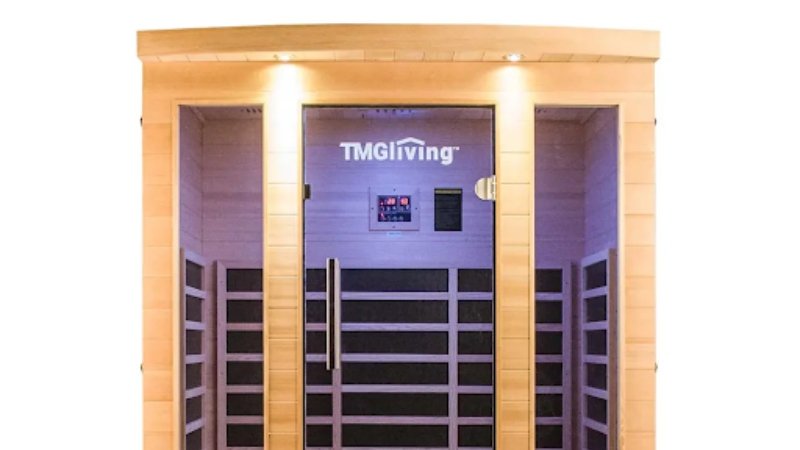
Through the long Canadian winter, the warmth of a sauna has a particular appeal, and a growing number of households are bringing that experience indoors. The infrared sauna, in particular, has drawn interest because it heats the body in a fundamentally different way from the traditional steam room. A well built infrared sauna room offers a gentle, accessible form of heat therapy, and understanding the technology behind it helps a buyer use it wisely.
How Infrared Heat Differs
A traditional sauna heats the air, often to very high temperatures, and that hot air in turn warms the people inside. An infrared sauna takes a different route. Its panels emit infrared radiation, a band of light just beyond the visible spectrum, which passes through the air and warms the body directly, much as the sun feels warm on the skin even on a cool day.
Because the air itself does not need to reach extreme temperatures, an infrared room feels comfortable at a lower ambient heat, typically far cooler than a conventional sauna while still producing a deep, penetrating warmth and a steady sweat.
The word far in far infrared refers to wavelength. Infrared is divided into near, middle, and far bands, and the far band carries the longest waves. These longer wavelengths are absorbed at the surface of the body and are well suited to gentle, even heating, which is why many home sauna rooms are built around far infrared emitters.
The Role of the Heating Panels
The performance of an infrared sauna depends heavily on its emitters. Carbon and ceramic panels are the two common types. Carbon panels spread heat over a large surface area, producing a soft, consistent warmth at lower surface temperatures. Ceramic emitters reach higher temperatures over a smaller area and deliver a more intense, localised heat. Many quality rooms position several panels around the body, at the back, beside the legs, and underfoot, so that warmth reaches the user evenly rather than from a single direction.
Why the Wood Matters
The cabin itself is more than a decorative shell. Sauna rooms are commonly built from softwoods such as hemlock, a timber well suited to the Canadian climate and widely available across the country. Wood is chosen because it tolerates repeated cycles of warmth and humidity without warping, insulates well to hold heat efficiently, and remains comfortable to touch even when the room is warm. Natural, untreated timber also avoids releasing odours or fumes when heated, which matters in an enclosed space. A tempered glass door adds strength and a sense of openness while retaining heat.
Comfort, Wellbeing, and Sensible Use
People use infrared saunas to relax, to warm up in cold weather, and to enjoy the calm of a quiet, heated space, sometimes paired with features such as audio connectivity. Used sensibly, a sauna can be a pleasant part of a wellbeing routine. It is important, though, to approach it with care rather than treating it as a medical cure. A few sound practices keep the experience safe:
- Keep sessions to a moderate length and begin with shorter, cooler sittings until the body adjusts.
- Drink water before and after, since sweating causes real fluid loss.
- Step out promptly if you feel dizzy, faint, or unwell, and let the body cool gradually afterward.
Anyone who is pregnant, takes medication, or lives with a heart or blood pressure condition should speak with a qualified health professional before regular use. Children and older adults are more sensitive to heat and warrant extra caution.
Installation and Care
An indoor sauna room is designed to assemble in a spare room, basement, or similar space, connecting to a standard household supply. It should sit on a level floor with a little clearance around it for airflow, and away from anything that holds moisture.
Care is straightforward: wiping the benches after each session, allowing the cabin to air and dry, and keeping the glass clean all preserve the wood and keep the room pleasant. Treated this way, a quality cabin lasts for many years.
Strengths and Limitations
An infrared sauna offers clear appeal, balanced by honest limits:
- It provides gentle, accessible heat at lower air temperatures, warms quickly, and installs in an ordinary indoor space.
- It is a comfort and relaxation device rather than a medical treatment, and it calls for sensible session limits, good hydration, and professional advice for anyone with a health condition.
Energy Use and Everyday Practicality
One practical reason for the popularity of infrared rooms is efficiency. Because they warm the body directly rather than heating a large volume of air to extreme temperatures, they reach a comfortable operating point quickly and draw less power doing so. A shorter warm-up means a sauna session can fit into an ordinary evening without long preparation, which matters a great deal for regular use. Running from a standard household supply, an indoor cabin asks little of the home beyond a suitable space and sensible clearance for airflow.
Building a Comfortable Routine
The benefit of a home sauna comes from steady, moderate use rather than occasional long sessions. Many people find a short sitting at the end of the day a useful way to unwind and warm through after time outdoors in the cold. Pairing the warmth with quiet music or simple breathing turns the cabin into a genuine pause in a busy schedule. As with any heat exposure, listening to the body and stepping out when comfortable keeps the practice both pleasant and safe over the long term.
Conclusion and Future Trends
An indoor infrared sauna room turns a clear scientific principle, warming the body directly with radiant heat, into an accessible source of comfort well suited to Canadian homes and winters. As interest in home wellness continues to grow, these rooms are likely to become more efficient and easier to install. Those who choose a well made cabin from an established industrial equipment supplier can enjoy a durable, welcoming retreat from the cold for many years to come.